
Seattle Older-Home Electrical Guide
Knob & Tube Inspection Report Decoder
Decode common home inspection phrases about knob-and-tube wiring, ungrounded outlets, open splices, insulation, old panels, and obsolete electrical conditions before you choose the next step.
Call (206) 717-5076 for your FREE estimate.
Have an inspection report or photos? Send the report, panel photos, outlet photos, and attic or basement wiring photos. Benchmark will help you decide whether the next step is repair, partial rewiring, panel planning, or larger replacement scope.
Inspection language is only the starting point
A report note does not automatically prove active wiring, insurance failure, a code violation, or full replacement scope. The real question is simple: what is active, what is abandoned, what is unsafe, and what should the home owner do next?
- ✓ Active vs. abandoned knob-and-tube review
- ✓ Report, photo, outlet, attic, and panel review
- ✓ Rewiring, grounding, panel, and service-capacity planning
- ✓ Licensed · WA #BENCHHS818NT
Direct answer: what does a knob-and-tube inspection report really mean?
Start with the actual finding
A knob-and-tube note means the inspector saw an older electrical condition that deserves review. It does not automatically mean the wiring is active, unsafe in the same way everywhere, or that the whole home needs immediate rewiring.
The next step depends on energized wiring, unsafe splices, damaged insulation, outlet grounding, insulation contact, panel condition, breaker space, and the work you plan next.
Turn the report into a scope
Benchmark Home Services helps Seattle-area homeowners separate inspection language from actual electrical scope. We review the report, visible wiring, outlets, attic or basement access, panel condition, grounding, and future loads before we explain whether the likely path is targeted repair, partial replacement, broader house rewiring in Seattle, electrical panel replacement in Seattle, or a phased older-home electrical plan.
Keep the limits clear
This page is a homeowner guide, not an insurance guarantee, permit ruling, or code determination. Insurance companies, inspectors, buyers, sellers, and permitting authorities may each treat the same condition differently. A licensed evaluation turns the report language into a practical plan.
Inspection reports often use short phrases that can sound more final than they really are: “knob-and-tube present,” “ungrounded outlets,” “open splices,” “obsolete wiring,” “possible active K&T,” “older wiring noted,” or “recommend electrician evaluation.”
What the report does not tell you
Those phrases are useful warnings, but they are not a full scope of work. The important step is to decode what the phrase points to and then verify the actual home conditions. Active wiring is different from abandoned wiring. Ungrounded outlets are different from unsafe splices. Panel capacity concerns are different from branch-circuit replacement. Insulation concerns are different from simple visual identification.
If the report came up during a purchase, sale, remodel, insulation project, insurance review, or electrical upgrade, do not rely on one sentence alone. Send the report and clear photos so Benchmark can review the condition in context.
- Inspection report language is a trigger, not a complete replacement scope.
- Active vs. abandoned wiring matters because present does not always mean energized.
- Ungrounded outlets and old wiring overlap, but they are not always the same problem.
- Panel condition and future loads matter when the home is also adding EV chargers, heat pumps, remodel circuits, or appliance circuits.
What to send with your inspection report
The best review starts with context. If possible, send the home inspection page, attic or basement wiring photos, outlet photos, panel photos, and a note about what triggered the concern.
- Home inspection report page or screenshot
- Photos of visible ceramic knobs, tubes, cloth wiring, or splices
- Main panel photo and breaker label photo
- Two-prong or three-prong outlet photos if grounding is mentioned
- Deadline, sale/remodel/insurance trigger, and planned upgrades
Knob & tube inspection report guide
Use this visual guide to understand the most common inspection-report phrases before you compare quotes or assume the entire home needs one specific type of work.
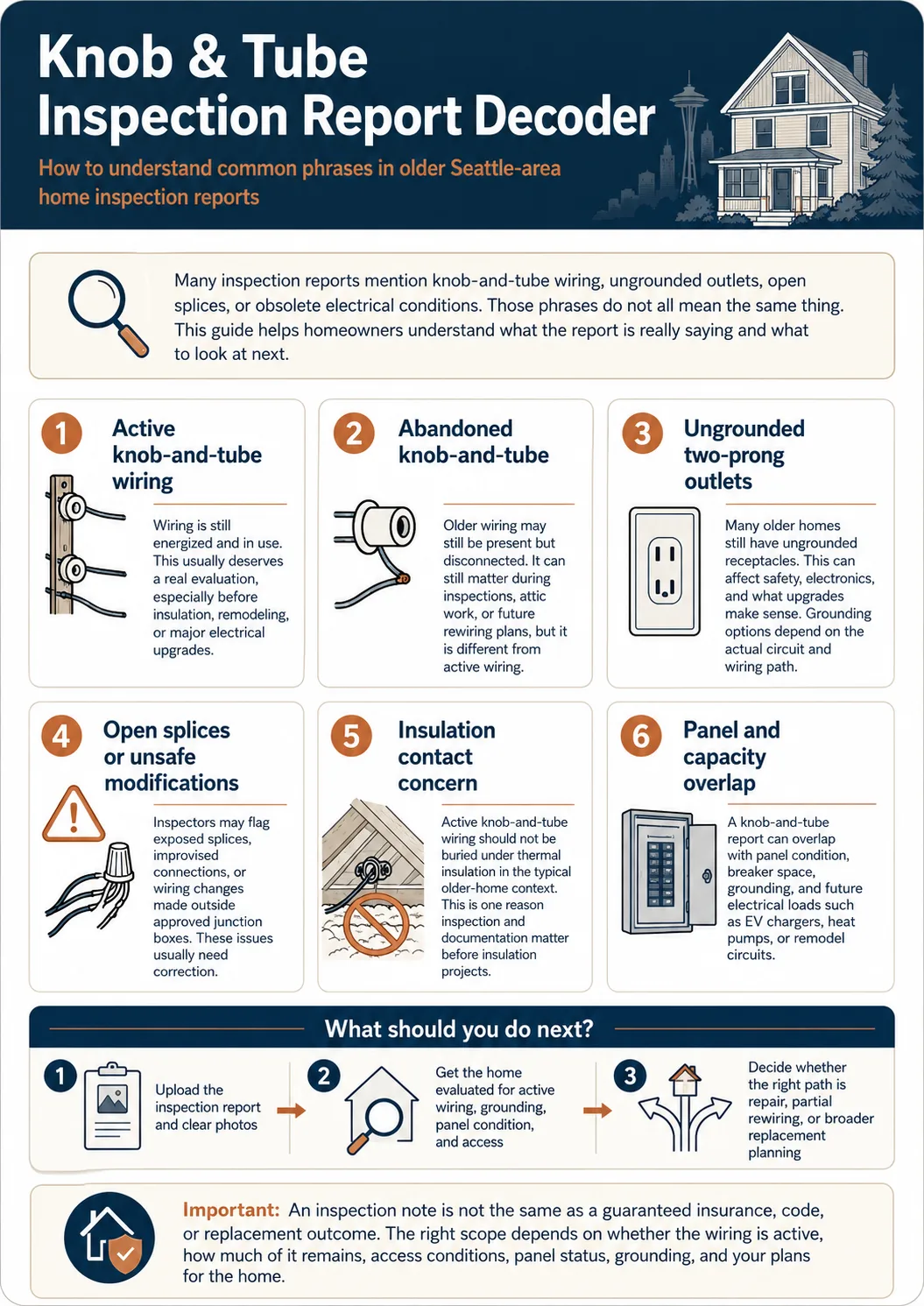
Common knob-and-tube inspection report phrases decoded
Phrase
“Knob-and-tube wiring present”
This means the inspector saw visible older wiring materials. It does not by itself prove whether the wiring is still energized. The next step is to determine whether the visible wiring is active, abandoned, or mixed with newer wiring.
Phrase
“Active knob-and-tube wiring”
This is a stronger finding. Active wiring means at least some older wiring may still be carrying power. Active sections needs review before insulation, remodeling, heavy load additions, or insurance documentation decisions.
Phrase
“Abandoned knob-and-tube wiring”
Abandoned wiring may be old material that remains in the home but is no longer connected. It can still affect inspections, buyer questions, attic access, and documentation, but it is different from energized wiring that still serves outlets, lights, or fixtures.
Grounding, splices, and insulation concerns
Phrase
“Ungrounded two-prong outlets”
Many older Seattle homes have ungrounded receptacles. That can affect electronics, surge protection, appliance use, and what upgrade options make sense. A grounded-looking three-prong outlet still needs verification because appearance alone does not prove grounding.
Phrase
“Open splices” or “improper splices”
This usually means visible wire connections appear outside a proper box or were modified in a questionable way. Splice and junction issues can create more urgency than the age of the wiring alone because they can point to unsafe modifications.
Phrase
“Wiring buried in insulation”
Insulation and knob-and-tube wiring require careful review. Washington rules around existing knob-and-tube wiring and loose or rolled thermal insulation are specific, and foam insulation is not allowed with knob-and-tube wiring. A licensed evaluation and inspection context matter before insulation work proceeds.
Obsolete wiring, evaluation notes, and panel overlap
Phrase
“Obsolete wiring”
This phrase is often broad. It may refer to knob-and-tube, cloth wiring, ungrounded circuits, old panels, fuse equipment, mixed-era wiring, or previous remodel work. The report needs translation into specific electrical conditions before pricing a scope.
Phrase
“Recommend electrician evaluation”
This usually means the inspector identified a concern but did not fully diagnose the electrical system. Benchmark reviews the visible conditions, panel, grounding, access, and planned use before recommending the next step.
Phrase
“Panel or capacity concerns”
Knob-and-tube report language often overlaps with panel condition, breaker space, grounding, and future loads. If you are adding an EV charger, heat pump, remodel circuits, or appliances, the panel decision should be reviewed with the wiring decision.
Active vs. abandoned knob-and-tube wiring
This is the core confusion point for many homeowners. An inspector may see ceramic knobs, tubes, cloth conductors, or old wiring remnants. That confirms older wiring materials may be present, but it does not automatically confirm that the wiring is still feeding active outlets or lights.
Active wiring means the old system may still be energized and serving part of the home. Abandoned wiring means older materials may remain visible after newer wiring had installation. Mixed conditions are also common, especially in homes that were remodeled in phases over many decades.
The decision needs field verification, not guesswork. That is why Benchmark’s older-home review looks at visible wiring, outlet behavior, panel layout, attic and basement access, splices, grounding, and planned future work.
How Benchmark reviews a K&T inspection report
Discovery review
We identify why the report matters now: sale, purchase, insurance, remodel, insulation, two-prong outlets, visible wiring, outage, panel concern, or future electrical upgrade.
Visible wiring and photo review
We review the report language and photos of accessible attic, basement, crawlspace, panel, junction points, ceramic knobs or tubes, cloth wiring, outlet conditions, and visible splices.
Active vs. abandoned mapping
The goal is to separate older wiring that merely exists from older wiring that may still be energized and serving circuits in the home.
Risk and scope classification
We look for damaged insulation, unsafe splices, questionable overcurrent protection, buried wiring concerns, fixture heat issues, lack of grounding, overloaded circuits, and previous modifications.
Panel, grounding, and future-load review
The right K&T plan often depends on panel condition, breaker space, grounding and bonding, service capacity, and whether the home is adding EV charging, heat pumps, kitchen circuits, or remodel loads.
Scope and documentation plan
We explain whether the likely path is repair, partial rewiring, broader replacement, panel coordination, service-capacity planning, or documentation for the next stakeholder.
Which path fits the inspection finding?
Path 1
Targeted correction
Best when the issue is limited, visible, and specific, such as an exposed splice, fixture issue, outlet correction, labeling problem, or localized unsafe modification.
Path 2
Partial rewiring
Best when active older wiring serves a defined area, room group, attic run, basement section, or remodel area and does not require a whole-home modernization plan.
Path 3
Whole-home planning
Best when old wiring is widespread, access is complex, multiple rooms are affected, outlets are ungrounded throughout the home, or the project overlaps with major panel, service, remodel, or future-load planning.
Insurance, real estate, remodel, and insulation triggers
Knob-and-tube inspection concerns often become urgent because of a third-party deadline. A buyer wants clarity before closing. A seller needs to respond to an inspection objection. An insurance company asks for documentation. A remodel uncovers older wiring. An insulation contractor needs an electrical review before attic work.
Each trigger changes the next step. A real estate deadline may need a clear evaluation and practical scope. An insurance request may need documentation but should not be treated as a guaranteed underwriting result. A remodel discovery may need coordination before walls close. Insulation work may require extra caution because existing knob-and-tube and insulation rules are specific.
In Seattle, electrical work may require permitting depending on scope, and SDCI notes that many electrical permits are issued the same day online while some projects require plan review. Most electrical permits require cover, service, and final inspections, depending on the work being performed.
Common mistakes homeowners make after reading the report
Assuming every K&T note means whole-home replacement
Sometimes the problem is broad. Sometimes it is localized. The report needs to be translated into an actual electrical scope before comparing bids.
Assuming abandoned wiring is the same as active wiring
Old materials may remain after newer work had installation. Active mapping matters because the risk profile and scope can differ greatly.
Ignoring the panel
Rewiring and K&T replacement often uncover panel limitations, breaker space problems, grounding issues, or capacity concerns that affect the final plan.
Buying upgrades before the electrical review
EV chargers, heat pumps, induction ranges, and remodel appliances should be planned around the real panel, service, wiring, and access conditions.
Expecting drywall or plaster repair to be included automatically
Rewiring can require access holes. A good scope should explain wall access, patching, painting, and exclusions before work starts.
Taking insurance or code outcomes as guaranteed
Electricians can document electrical work and visible conditions, but insurers, buyers, sellers, and authorities make their own decisions.
Related older-home electrical services
K&T inspection-report review often overlaps with knob and tube replacement in Seattle, house rewiring in Seattle, electrical panel replacement in Seattle, electrical service upgrades in Seattle, electrical troubleshooting in Seattle, and panel replacement cost factors when older wiring, panel capacity, or future-load planning affects the scope.
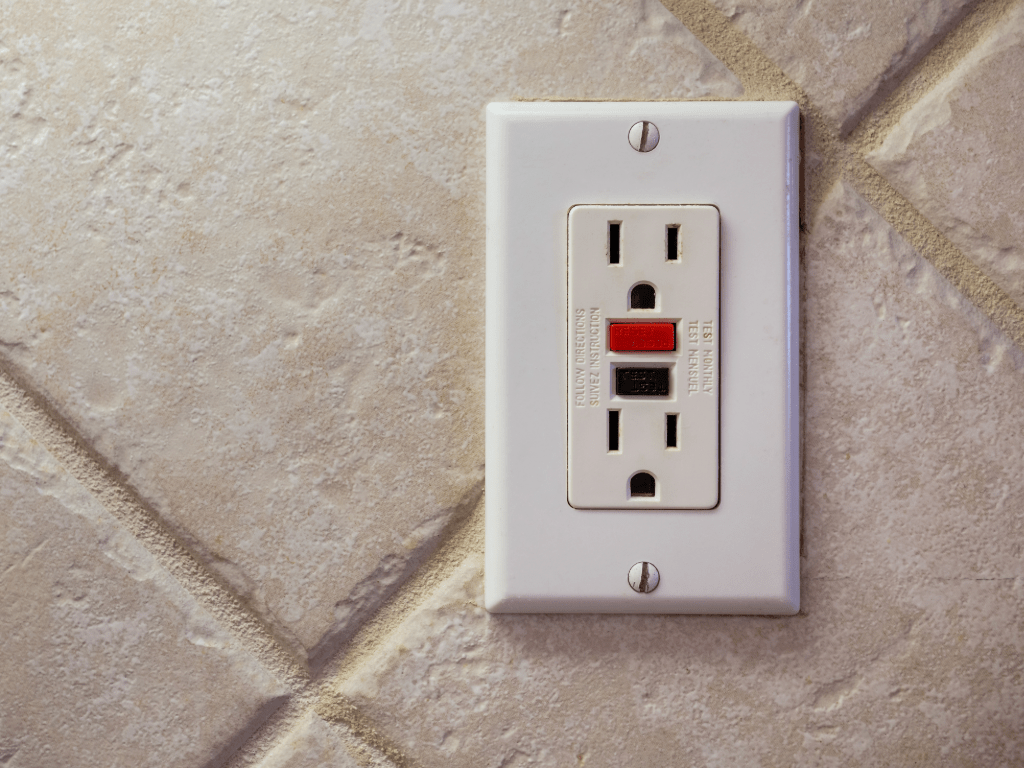
Replacement planning for active legacy wiring, inspection reports, insurance concerns, remodel discoveries, and older-home electrical modernization.

Partial and whole-home rewiring for older wiring, ungrounded circuits, remodels, plaster access, panel coordination, and safer modernization.
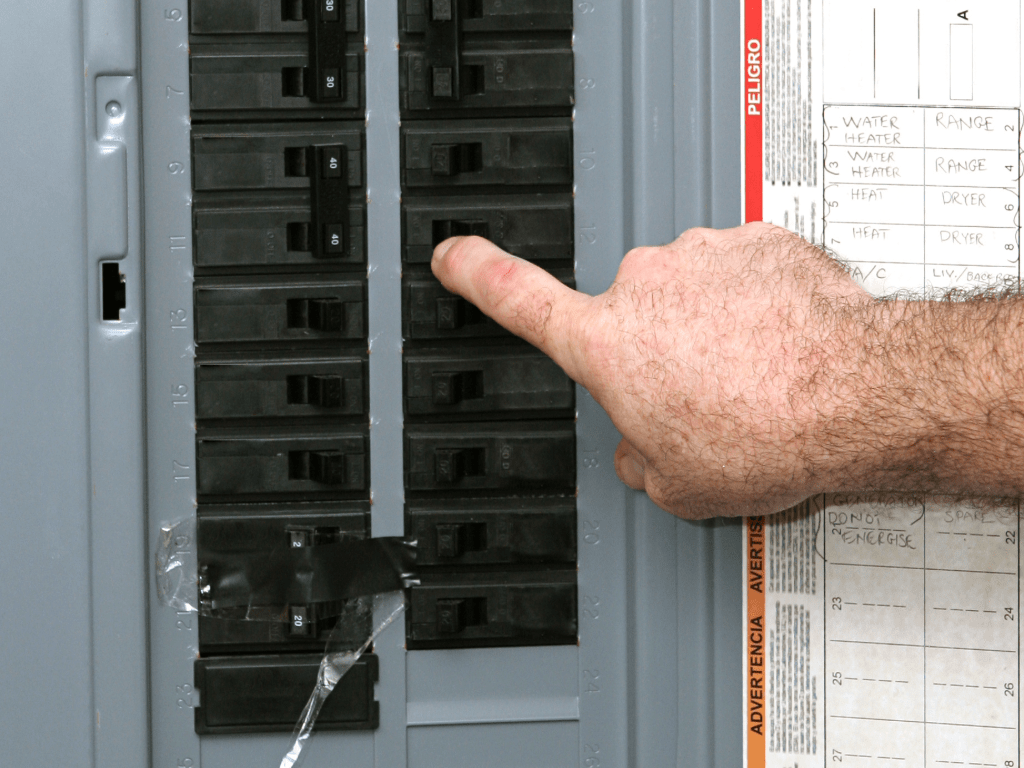
Panel replacement planning when old wiring, breaker space, grounding, future loads, or inspection findings affect the electrical scope.
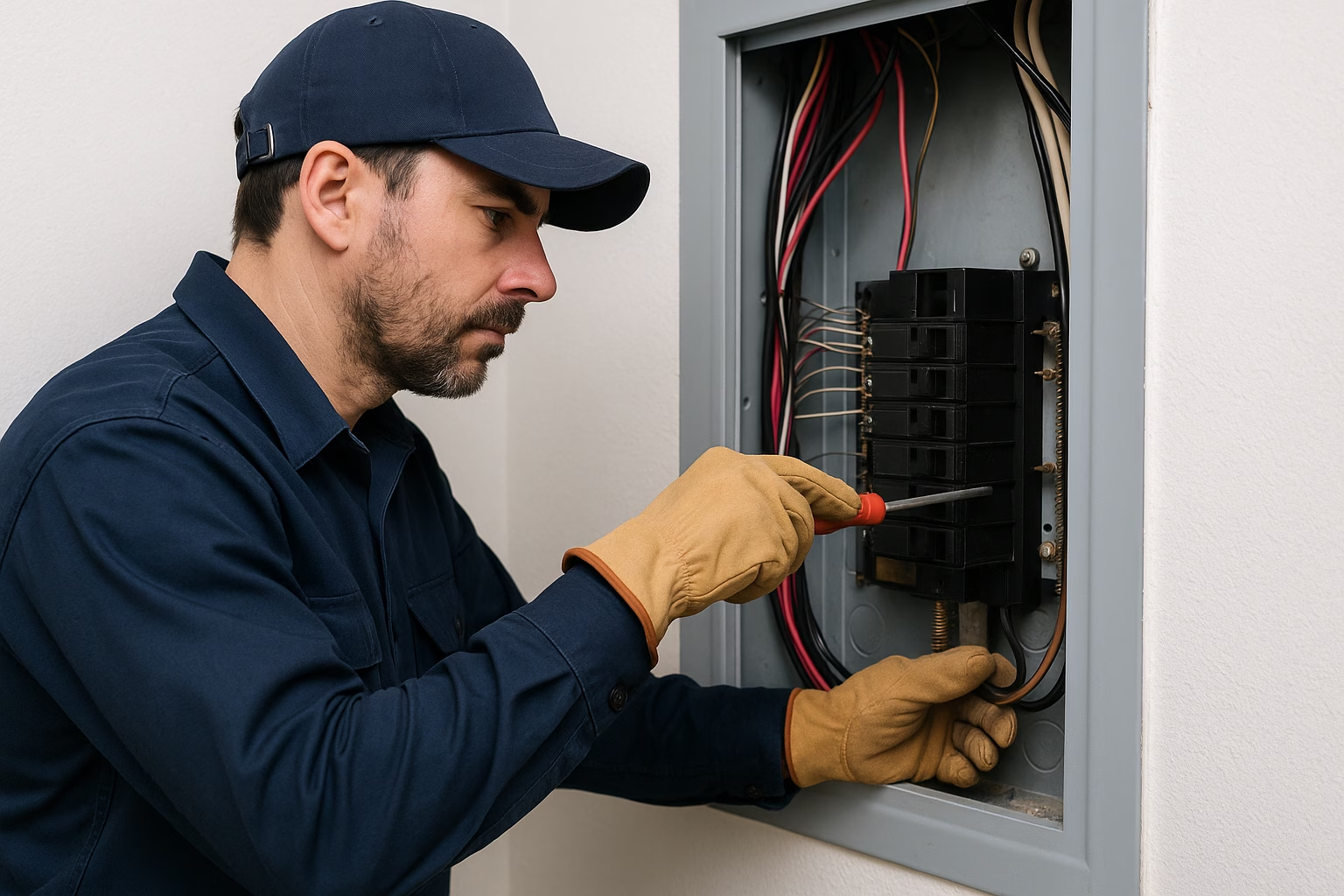
Diagnostic help for breaker trips, dead outlets, flickering lights, warm devices, buzzing panels, ungrounded outlets, and older wiring symptoms.
Official references homeowners should know
Washington knob-and-tube insulation rule
Washington WAC 296-46B-394 addresses concealed knob-and-tube wiring and conditions around loose or rolled thermal insulation. It also states that foam insulation may not be used with knob-and-tube wiring.
Seattle permits and inspections
SDCI publishes electrical permit and inspection information for Seattle projects. Scope determines the permit path and inspection requirements.
Knob-and-tube inspection report questions Seattle homeowners ask
Does a home inspection report prove my knob-and-tube wiring is active?
Not always. The report may identify visible older wiring materials, but a licensed electrician should determine whether the wiring is energized, abandoned, or mixed with newer circuits.
Does knob-and-tube in a report mean the whole house must be rewired?
Not automatically. Some homes need targeted correction or partial rewiring. Others need larger replacement planning. The scope depends on active wiring, condition, access, panel status, grounding, and your plans for the home.
What photos should I send after an inspection report flags K&T?
Send the report page, visible attic or basement wiring photos, any ceramic knob or tube photos, outlet photos, panel photos, breaker labels, and any notes about insurance, sale, remodel, or insulation deadlines.
Are ungrounded outlets the same as knob-and-tube wiring?
No. Ungrounded outlets are common in older homes and may or may not be tied to active knob-and-tube wiring. The circuit and wiring path should be evaluated before deciding on grounding or rewiring options.
Can insulation be installed over existing knob-and-tube wiring?
Washington rules are specific and require proper evaluation. Foam insulation is not allowed with knob-and-tube wiring. Loose or rolled insulation conditions require careful review under WAC 296-46B-394.
Can Benchmark give my insurance company a guarantee?
Benchmark can evaluate electrical conditions and document work performed, but insurance underwriting decisions belong to the insurer. We avoid promising a guaranteed insurance outcome.
Should panel replacement be reviewed with a K&T report?
Yes, especially if the home has a crowded or older panel, ungrounded circuits, limited breaker space, or planned loads such as EV charging, heat pumps, kitchen remodels, appliance circuits, or a future service upgrade.
What happens after I send the inspection report?
Benchmark reviews the report and photos, asks any needed follow-up questions, evaluates the relevant home conditions, and explains whether the next step is repair, partial rewiring, broader replacement, panel planning, or a site visit.
Need help understanding a knob-and-tube inspection report?
Send Benchmark Home Services the report, panel photos, outlet photos, and visible wiring photos. We will help you understand what the report is really pointing to and what the next practical step should be.
If the report has moved from wording questions into repair requests, pricing, or buyer-and-seller decisions, review our electrical inspection report corrections in Seattle service.