
Home Electrical Basics
10 Electrical Terms Every Homeowner Should Know
You do not need to be an electrician to understand the basics of your home’s electrical system. These 10 terms can help you make better sense of breaker trips, overloaded circuits, panel upgrades, EV charger planning, and common electrical safety concerns.
Why these terms matter around the house
Electrical terms can sound technical, but many of them show up in everyday home decisions. When you add an EV charger, replace a panel, troubleshoot flickering lights, install a dedicated circuit, or upgrade old wiring, these basics become useful.
This guide explains each term in plain language and connects it to real residential electrical situations.
Homeowner takeaway: You do not need to calculate electrical formulas yourself. But knowing the language helps you understand what your electrician is checking and why certain repairs or upgrades may be recommended.
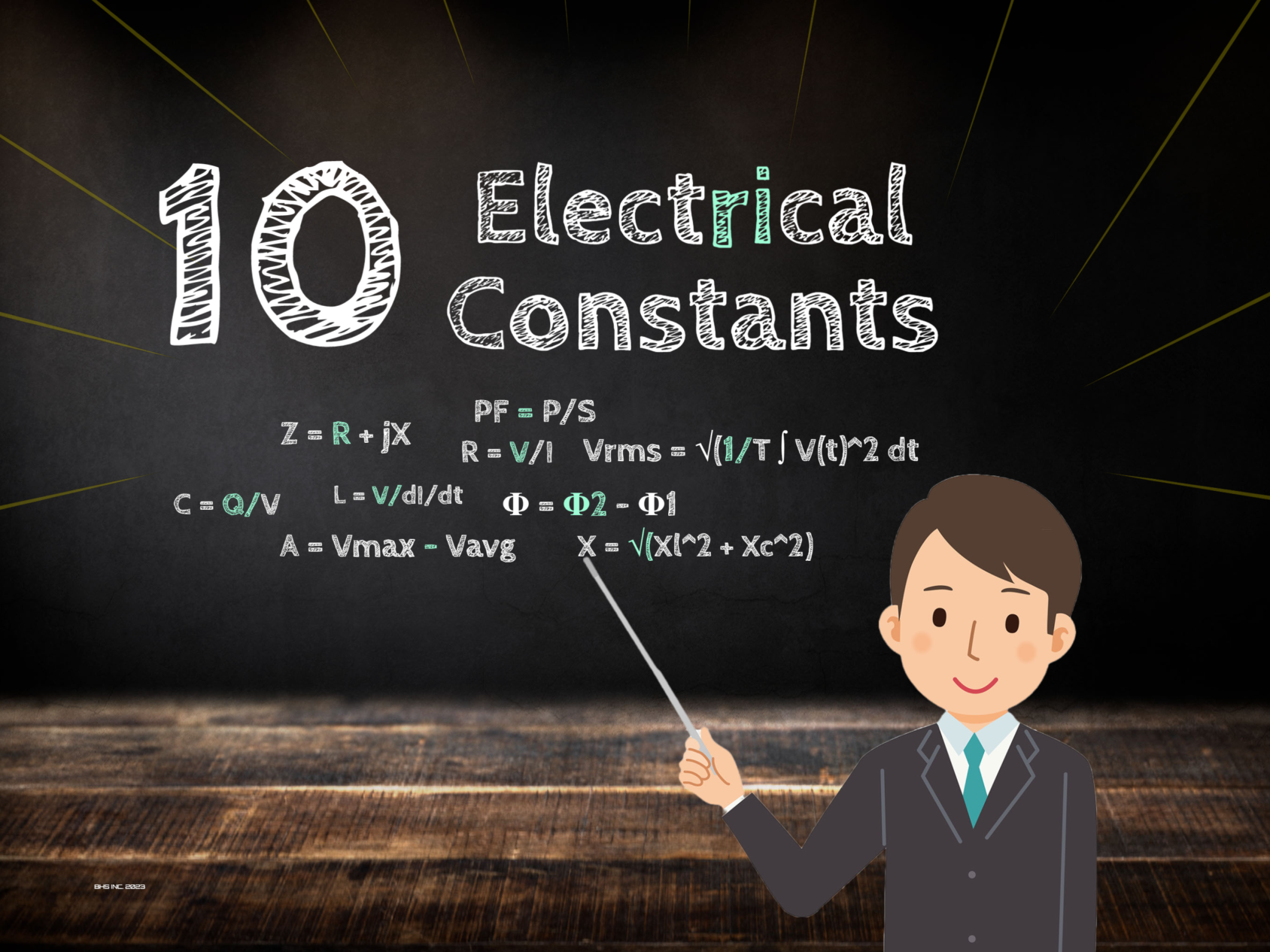
The 10 electrical terms, explained simply
Here are the core terms that help explain how power moves through your home and why electrical systems need to be properly designed, protected, and maintained.
Voltage
Voltage is the electrical pressure that pushes current through a circuit. Standard outlets, large appliances, and EV chargers may use different voltage levels depending on what the equipment needs.
At home: Voltage matters when planning dedicated circuits, appliance wiring, and Level 2 EV charger installations.
Current
Current is the flow of electricity through a wire or circuit. It is measured in amps. A circuit must be sized correctly for the amount of current the connected equipment will draw.
At home: Too much current on a circuit can lead to breaker trips, overheating, or overloaded wiring.
Resistance
Resistance is opposition to the flow of current. Some resistance is normal, but poor connections, damaged wires, or worn devices can create heat and reliability problems.
At home: Loose or failing connections can cause heat, flickering lights, buzzing, or discolored outlets.
Wattage
Wattage describes how much power a device uses. Lighting, heaters, kitchen appliances, EV chargers, and tools all add to your home’s overall electrical demand.
At home: Wattage helps explain why some appliances need dedicated circuits and why panel capacity matters.
Circuit
A circuit is a path that carries electricity from the panel to outlets, lights, appliances, or equipment. Each circuit is protected by a breaker or fuse.
At home: If a room, appliance, or charger needs more power, a dedicated circuit may be the safer solution.
Load
Load means the electrical demand placed on a circuit or panel. A home’s load changes as appliances, chargers, lighting, HVAC equipment, and devices are added.
At home: Load is a major part of panel replacement, service upgrade, and EV charger planning.
Grounding
Grounding provides a safer path for fault current and helps reduce shock risk. Older homes may have limited grounding or older wiring methods that need evaluation.
At home: Two-prong outlets, older wiring, and certain panel issues may point to grounding concerns.
GFCI protection
GFCI protection helps reduce shock risk by shutting off power when it detects an imbalance. It is commonly used in bathrooms, kitchens, garages, basements, laundry areas, and outdoor spaces.
At home: GFCI outlets should be tested regularly and replaced if they fail to trip or reset correctly.
AFCI protection
AFCI protection is designed to help detect certain arcing conditions that may occur from damaged cords, loose connections, or wiring problems.
At home: AFCI protection often comes up during panel work, rewiring, remodels, and circuit updates.
Power factor
Power factor describes how efficiently electrical power is being used in certain types of equipment. It matters more in some systems than others, but it is part of understanding electrical efficiency.
At home: Most homeowners do not need to calculate power factor, but efficient equipment and properly sized circuits still matter.
How these terms show up in real electrical work
These basics are not just classroom ideas. They help explain the decisions behind safe residential electrical work.
Panel replacement
Panel work involves load, amperage, circuit space, grounding, breaker protection, and whether the home can support modern electrical demand.
House rewiring
Rewiring often addresses outdated wiring, grounding limitations, overloaded circuits, worn devices, and safer circuit layouts.
EV charger installation
EV chargers bring together voltage, current, load, dedicated circuits, panel capacity, and proper installation planning.
When electrical terms become warning signs
You do not have to diagnose the problem yourself, but these symptoms are worth taking seriously.
Breakers keep tripping
This may point to overload, a short circuit, a ground fault, damaged equipment, or a circuit that needs a closer look.
Outlets feel warm
Heat can be related to resistance, loose connections, overload, or a failing device. Stop using the outlet and have it checked.
Lights flicker often
Flickering can involve loose connections, shared loads, voltage drops, panel concerns, or aging wiring.
For burning smells, buzzing, arcing, smoke, or heat at a panel, outlet, or switch, stop using the affected area and seek professional help.
Helpful next reads
If these terms connect to an issue in your home, these Benchmark pages can help you learn the next step.
Electrical basics FAQs
What is the difference between volts and amps?
Voltage is electrical pressure, while amps describe the flow of current. Both matter when sizing circuits, breakers, wiring, and equipment.
Why does a breaker trip?
A breaker may trip because of overload, a short circuit, a ground fault, damaged equipment, or a problem in the wiring or panel.
What does a dedicated circuit mean?
A dedicated circuit serves one specific appliance or piece of equipment instead of sharing power with unrelated outlets or devices.
Why does grounding matter?
Grounding helps provide a safer path for fault current and can reduce shock risk. Older homes may need grounding or wiring evaluation.
Do EV chargers need special wiring?
Most Level 2 EV chargers need a dedicated 240-volt circuit, correct breaker sizing, proper wiring, and a panel capacity review.
Should homeowners troubleshoot electrical issues themselves?
Homeowners can observe symptoms, reset a tripped breaker once, and test GFCI outlets. Repeated trips, heat, buzzing, arcing, or wiring repairs should be handled by a qualified electrician.
Need help making sense of an electrical issue?
Benchmark Home Services helps homeowners across Seattle, Des Moines, Burien, Normandy Park, Federal Way, Kent, SeaTac, Renton, and nearby South King County communities with troubleshooting, panel work, rewiring, outlets, dedicated circuits, and EV charger installations.