
Seattle EV Charger Panel Capacity Guide
Can My Electrical Panel Handle an EV Charger in Seattle?
Before installing a Level 2 EV charger, Seattle homeowners need to know whether the electrical panel has the space, capacity, and condition to support a dedicated 240-volt charging circuit.
Call (206) 717-5076 for your FREE estimate.
Not sure if your panel is ready for an EV charger? Take the 90-second Home Power Readiness Quiz to check panel capacity concerns, older-home wiring issues, and EV charger readiness.
EV charger readiness starts at the electrical panel
Benchmark Home Services helps Seattle homeowners understand whether their panel can support EV charging, whether a dedicated circuit is enough, or whether load management, panel replacement, or service upgrade planning should be considered first.
- ✓ Panel capacity and breaker space checks
- ✓ Dedicated 240-volt EV charger circuits
- ✓ Charger location and circuit path planning
- ✓ Licensed · WA #BENCHHS818NT
See what local homeowners are saying
Real reviews from homeowners who hired Benchmark for residential electrical repairs, panel upgrades, rewiring, troubleshooting, EV charger installation, inspections, and related electrical work.
If you are asking, “Can my electrical panel handle an EV charger?”, the answer depends on more than whether there is an empty breaker space. A Level 2 EV charger can add a significant electrical load, so the panel, service capacity, existing appliances, breaker space, wiring path, charger amperage, and installation location should all be reviewed before work begins.
Many Seattle homes can support EV charging with a properly installed dedicated 240-volt circuit. Others need a more careful plan because of older panels, 100 amp service, full breaker spaces, remodel-era wiring, detached garages, heat pumps, hot tubs, electric ranges, or other major loads already using capacity.
Benchmark Home Services checks the electrical system before recommending an installation path. If your panel is ready, we can usually move forward with EV charger wiring. If it is not ready, we explain practical options like load management, electrical panel replacement in Seattle, or electric service upgrades in Seattle. If a panel change may be part of the EV charger project, review the panel upgrade cost factors before comparing estimates.
If the real question is whether the charger requires a larger panel, use the updated guide: do I need a panel upgrade for an EV charger?
Panel capacity is the first question, but charger placement and cable management are what make the system convenient after installation. Review EV charger placement and cable management options while planning your circuit path.
If you are comparing the broader project, our EV charger installation in Seattle page explains the full installation process, while our EV charger installation cost in Seattle guide can help you understand how panel condition, circuit distance, charger location, and upgrade needs affect the estimate. Homeowners in West Seattle can also review EV charger installation in West Seattle for location-specific planning.
- Breaker space alone is not enough to confirm EV charger readiness
- Panel capacity matters because EV charging adds a major electrical load
- Older Seattle homes may need extra review before adding a Level 2 charger
- Dedicated EV circuits should be planned around charger size, location, and panel condition
Open breaker space does not always mean the panel is ready
A common mistake is assuming a panel can handle an EV charger because there is one open slot. The safer question is whether the panel and service can support the added charging load along with the home’s existing electrical use.
Before adding a charger, we look at the panel condition, available capacity, existing loads, breaker space, charger amperage, and whether the home needs a dedicated circuit, panel work, or another solution.
Signs your panel may or may not be ready for an EV charger
More likely ready
Panel looks workable
Your panel may be a good candidate for EV charger installation if it is modern, accessible, has available breaker space, appears to have capacity, and does not show obvious warning signs.
- Accessible main panel
- Available breaker space
- No frequent breaker trips
- Reasonable charger location nearby
Needs review
Capacity is unclear
Many Seattle homes fall into the middle category. The panel may be usable, but a licensed electrician should review existing loads, charger size, and installation route before deciding.
- Older 100 amp service
- Several major electric appliances
- Limited breaker space
- Detached garage or long wire run
Possible upgrade needed
Panel may not be ready
If the panel is full, outdated, damaged, overloaded, or already struggling, EV charger installation may need to be paired with load management, panel replacement, or service upgrade planning.
- Frequent breaker trips
- Full or outdated panel
- Warm panel, buzzing, or visible aging
- Major new loads planned
Why panel capacity matters before installing a Level 2 EV charger
Level 2 EV charging is convenient because it can charge much faster than a standard household outlet. That faster charging also means the electrical system has to safely support the additional load. The panel must have the correct circuit, breaker, wiring, grounding, and capacity for the charger being installed.
The right installation plan depends on your vehicle, charger amperage, daily driving needs, panel size, existing appliances, and future electrical plans. A home with gas heat and fewer electric appliances may have a different path than a home with electric heat, heat pumps, an electric range, hot tub, home battery, or planned generator interlock.
If your electrical system is not ready, that does not automatically mean you cannot install EV charging. It means the project needs a smarter plan before the charger is connected.
If you are not sure whether your panel can handle an EV charger, use our electrical panel readiness checklist to understand the bigger picture before choosing a charger size.
What we check before adding an EV charger circuit
Main panel size and condition
We look at the panel size, visible condition, labeling, available space, age, and whether the panel appears suitable for adding a dedicated EV charging circuit.
Existing electrical loads
EV charging is evaluated alongside major existing loads such as ranges, dryers, heat pumps, air conditioning, water heaters, hot tubs, and other equipment.
Breaker space vs capacity
An empty breaker slot is helpful, but it does not prove the panel has enough capacity. We consider both physical space and overall electrical load.
Charger amperage
A lower-amperage charger may be easier to support than a higher-output charger. We help match the charging plan to the electrical system.
Wiring path and location
The panel-to-charger route affects the installation plan, especially for detached garages, exterior parking, carports, finished basements, and long conduit runs.
Upgrade options
If the panel is not ready, we can discuss load management, dedicated circuit options, panel replacement, or service upgrade planning.
Can a 100 amp panel handle an EV charger?
Sometimes, but not always. A 100 amp panel does not automatically rule out EV charging, and a 200 amp panel does not automatically guarantee an easy installation. The answer depends on the home’s existing electrical load, charger size, breaker space, service capacity, and how the charger will be used.
For some homes, a lower-amperage Level 2 charger or load management option may make sense. For others, the safer long-term path may be an electrical panel replacement in Seattle or broader electric service upgrade.
- 100 amp service: May need closer load review before adding EV charging
- 200 amp service: Often more flexible, but still needs capacity verification
- Full panel: May need panel work, load management, or other planning
- Older equipment: May need correction before adding a major new circuit
Our EV charger panel capacity check process
1. We look at the panel and existing electrical system
We review the main panel, breaker space, visible condition, labeling, service size, and major existing loads before recommending an EV charger circuit.
2. We confirm the charger and charging goal
Charger amperage, vehicle needs, daily driving habits, and whether the charger will be hardwired or plug-in can all affect the right electrical plan.
3. We plan the dedicated circuit
Most Level 2 chargers need a dedicated 240-volt circuit. We plan the circuit size, breaker, wiring path, charger location, and whether panel work is needed.
4. We explain your options before work starts
If the panel is ready, we can move forward with installation. If not, we explain options such as charger amperage changes, load management, panel replacement, or service upgrade planning.
Common Seattle panel issues that affect EV charger installation
Older panels and limited capacity
Many Seattle homes were built before EV charging, heat pumps, home batteries, and other modern electrical loads became common. Older panels may need extra review before adding a charger.
Full breaker spaces
A full panel does not always mean the project is impossible, but it does mean the electrician needs to review safe options instead of simply forcing in another circuit.
Detached garage charging
Detached garages can involve longer wiring routes, subpanel checks, grounding review, trenching, conduit, or a different charger location.
Older branch wiring
Remodel-era wiring, older circuits, knob and tube wiring, or questionable panel work may need correction before adding new EV charging load.
What if my panel cannot handle the charger I want?
If your current electrical panel cannot safely support the EV charger you want, you may still have options. The right solution depends on your panel, service size, charger requirements, driving needs, and future electrical plans.
Some homeowners choose a lower-amperage charging setup. Others use load management equipment, replace the electrical panel, or plan an electric service upgrade. Benchmark Home Services can help you compare the options before deciding.
Related Seattle electrical services
EV charger panel-readiness work often overlaps with electrical panel replacement in Seattle, electric service upgrades in Seattle, house rewiring in Seattle, and electrical troubleshooting in Seattle when the existing panel, service capacity, wiring, or circuit condition needs correction before a Level 2 charger is added.
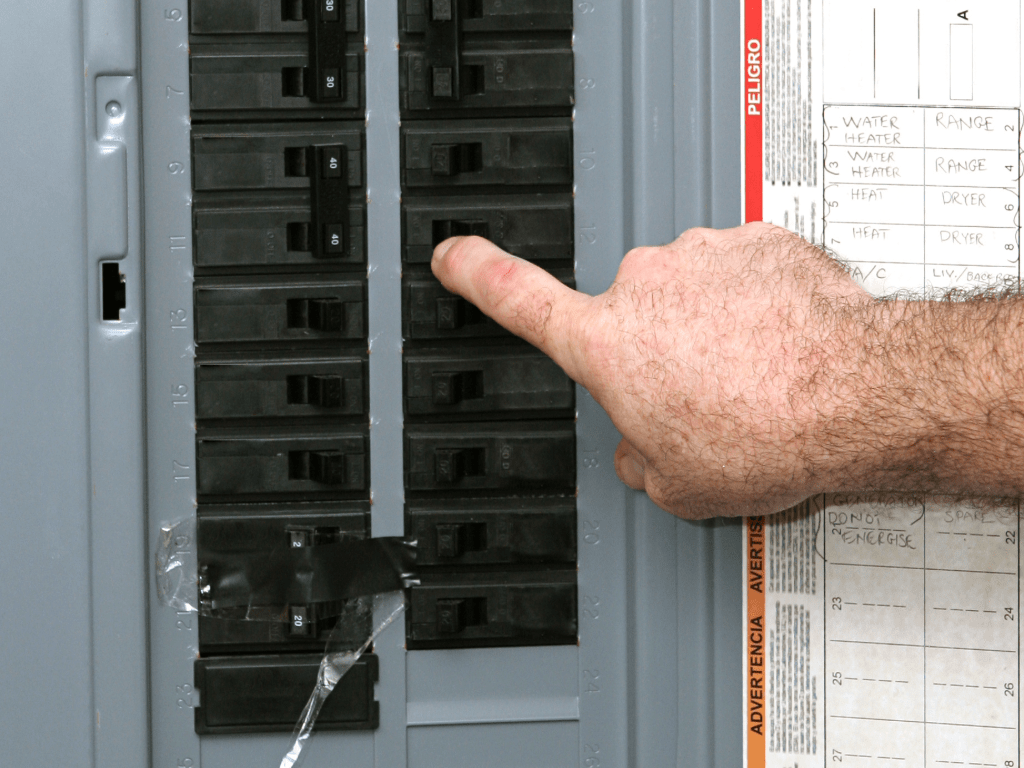
If your panel is full, outdated, or not a good fit for added EV charging load, Benchmark can help plan the right panel replacement path.
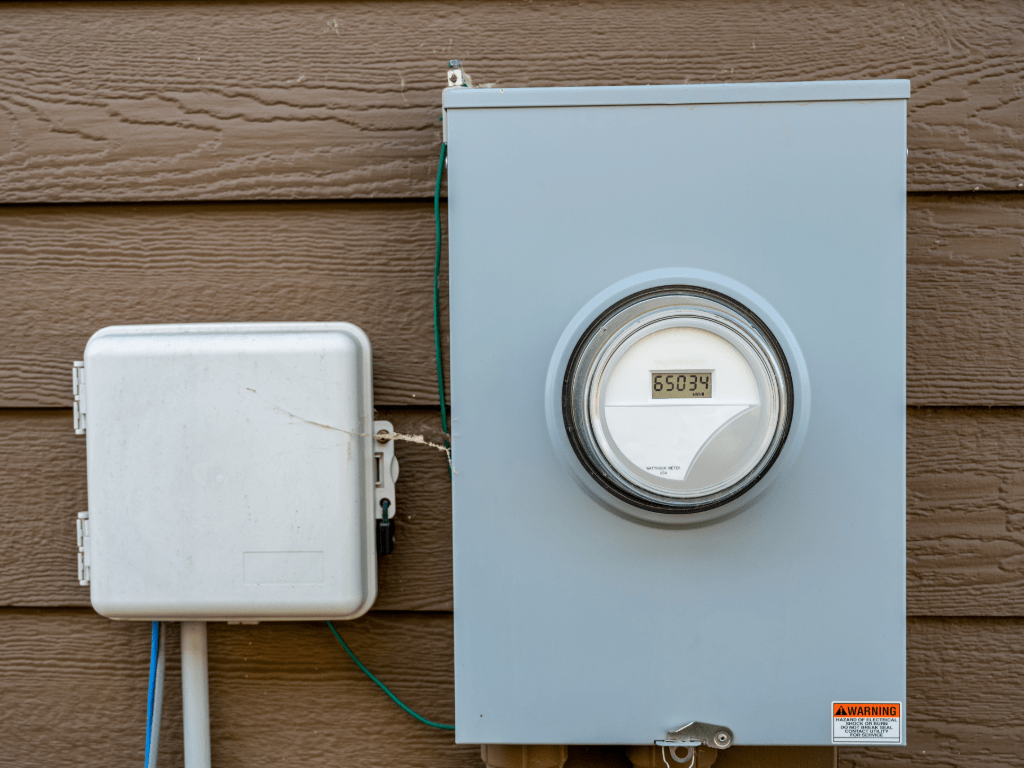
Homes adding EV charging, heat pumps, hot tubs, or other major loads may need service capacity planning before installation.
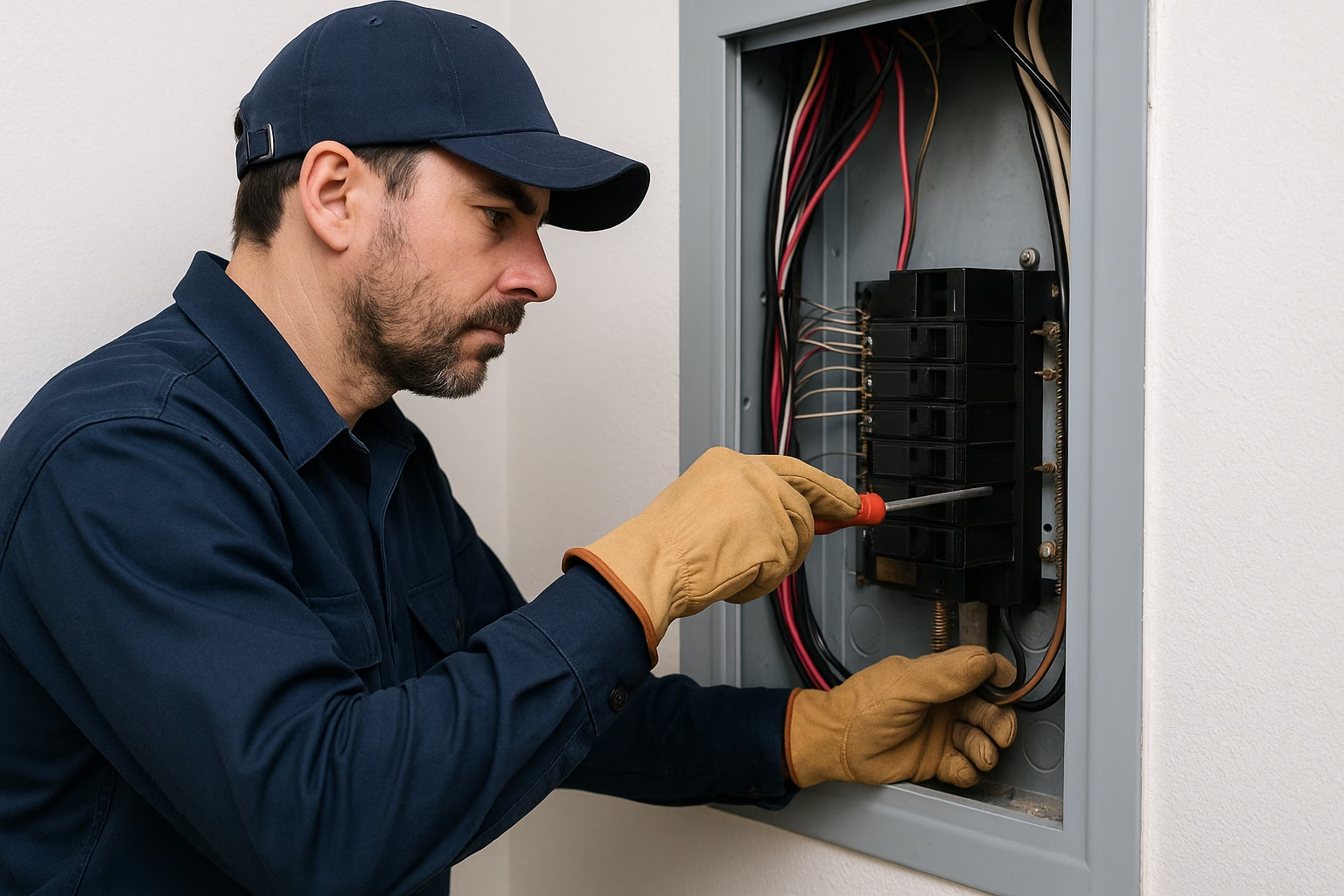
Breaker trips, warm outlets, buzzing panels, or flickering lights should be checked before adding EV charging load.

Older wiring, remodel-era wiring, and outdated branch circuits may need correction before adding new EV charging load.
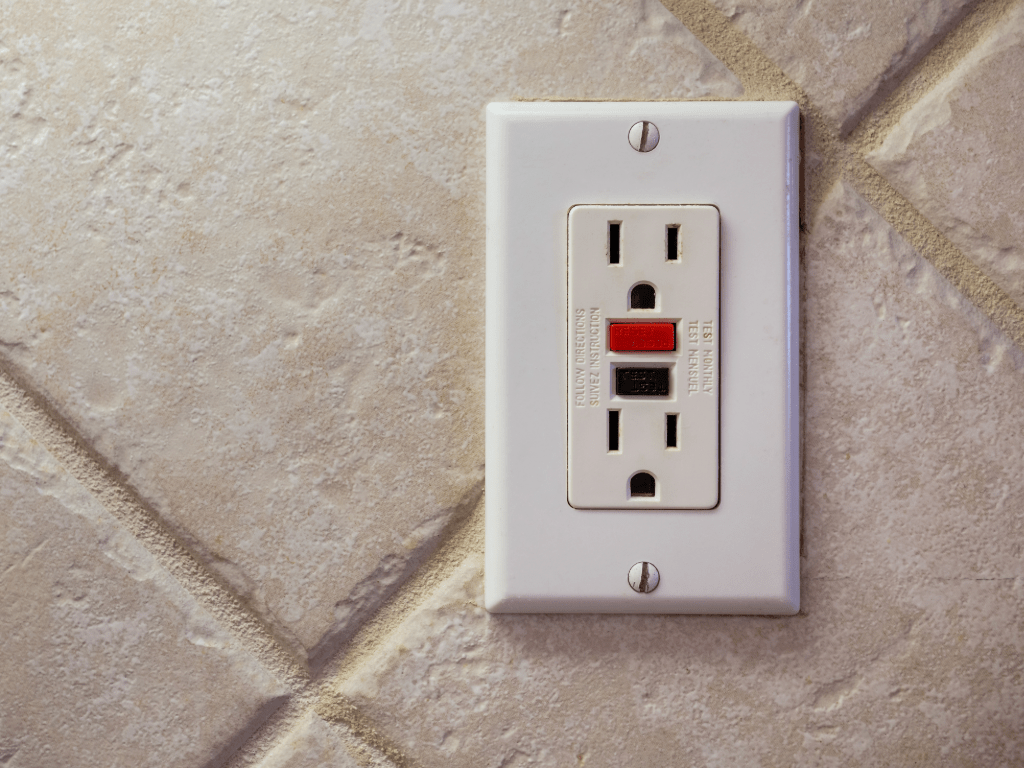
Older Seattle homes may need outdated wiring corrected before adding a modern Level 2 EV charging circuit.

Level 2 charger installation, dedicated 240-volt circuits, panel capacity checks, and charger wiring for Seattle homeowners.
Serving Seattle from our nearby Des Moines base
Benchmark Home Services is based in Des Moines and serves EV charger installation and panel capacity customers throughout Seattle and the greater Puget Sound area. Use the map below to view the driving route from our Des Moines base to Seattle.
Dispatch base: 1003 S. 197th St, Des Moines, WA 98148
Service area: Seattle, WA
Typical drive time: about 25 to 45 minutes, depending on traffic, neighborhood, and time of day.
Where we check EV charger panel readiness in Seattle
Neighborhoods we serve
- Ballard
- Fremont
- Queen Anne
- Magnolia
- Capitol Hill
- Beacon Hill
- Green Lake
- West Seattle
- Phinney Ridge
- Northgate
- Georgetown
- South Seattle
Panel-readiness situations we review
- 100 amp panels
- 200 amp panels
- Full electrical panels
- Older breaker panels
- Detached garage charger plans
- Outdoor charger locations
- Homes preparing for a new EV purchase
Electrical panel and EV charger questions Seattle homeowners ask
Can my electrical panel handle a Level 2 EV charger?
Many panels can support a Level 2 charger, but the panel should be checked first. Breaker space, existing loads, service capacity, charger amperage, wiring route, and panel condition all matter.
Is an open breaker slot enough for EV charger installation?
No. An open breaker slot is helpful, but it does not prove the panel has enough electrical capacity. The overall load on the home should be reviewed before adding EV charging.
Can a 100 amp panel handle an EV charger?
Sometimes. A 100 amp panel may support some EV charging setups, but it depends on existing loads, charger amperage, service capacity, and whether load management or upgrades are needed.
Will I need a panel upgrade for an EV charger?
Not always. Some homes only need a dedicated EV charging circuit. Others may need load management, panel replacement, or service upgrade planning if the existing system is not ready.
Does charger amperage affect whether my panel can handle it?
Yes. Higher-amperage chargers can require more capacity. Lower-amperage Level 2 charging may be a better fit for some homes depending on the electrical system.
Should I check my panel before buying an EV charger?
Yes. Checking the panel first can help you choose a charger and installation plan that fits your home instead of buying equipment that may require unexpected upgrades.
More EV charger planning resources
Seattle EV charger pages
- EV Charger Installation Seattle
- EV Charger Installation Cost Seattle
- EV Charger Cable Management Seattle
- Seattle Electrical Panel Readiness Checklist
- Do I Need a Panel Upgrade for an EV Charger?
- Electrical Panel Replacement Seattle
- Electric Service Upgrades in Seattle
- House Rewiring Seattle
- Electrical Troubleshooting Seattle
- Knob and Tube Replacement Seattle
- West Seattle Electrician
Helpful electrical planning resources
Nearby EV charger service areas
Nearby cities
Need your panel checked?
If you are planning a new EV charger, Benchmark Home Services can review your panel, charger location, circuit path, and upgrade options before installation begins.
Ready to find out if your panel can handle an EV charger?
Benchmark Home Services installs Level 2 EV chargers, dedicated 240-volt circuits, panel upgrades, electric service upgrades in Seattle, and charger wiring for homeowners who want safe, reliable charging at home.