

Home EV Charging Guide
Understanding Electric Vehicle Charging Stations
Confused by Level 1, Level 2, and DC fast charging? Here is a homeowner-friendly guide to how EV charging works, what type of charger usually makes sense at home, and what to check with a Seattle electrician before installing a dedicated EV charging circuit.
What is an EV charging station?
An electric vehicle charging station supplies power to recharge an EV battery. At home, that usually means either a standard outlet for slow charging or a dedicated Level 2 charger on a 240-volt circuit for faster, more practical daily charging.
The important part for homeowners is not just the charger brand. The charger has to match the vehicle, the parking location, the electrical panel, the wiring path, and the amount of power the home can safely support.
Homeowner takeaway: Most daily EV drivers eventually prefer Level 2 home charging because it is faster and more convenient than relying on a standard outlet.
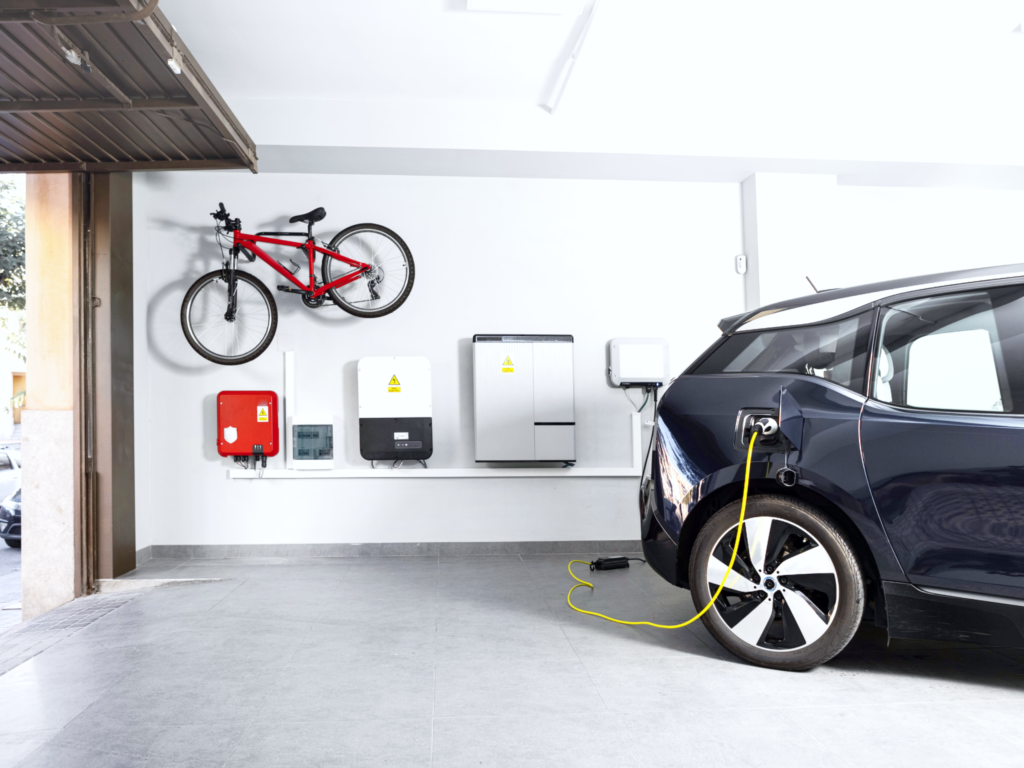
Level 1 vs. Level 2 vs. DC fast charging
EV chargers are commonly discussed in three categories. For homeowners, the most important comparison is usually Level 1 versus Level 2. DC fast charging is powerful, but it is generally used in public, fleet, highway, or commercial settings rather than typical residential garages.
| Charging type | Typical power source | Common use | Homeowner notes |
|---|---|---|---|
| Level 1 charging | Standard 120-volt outlet | Occasional or low-mileage charging | Easy to start with, but often slow for daily EV use. |
| Level 2 charging | Dedicated 240-volt circuit | Most common home charging upgrade | Usually the best fit for reliable overnight charging at home. |
| DC fast charging | High-power DC equipment | Public, highway, fleet, and commercial charging | Not normally the right choice for a standard residential installation. |
Level 1 charging
Level 1 charging uses a standard household outlet. It can work for plug-in hybrids, short commutes, or drivers who do not need to add much range each day.
The downside is speed. Many homeowners eventually find that Level 1 charging is too slow for regular EV use.
Level 2 charging
Level 2 charging uses a dedicated 240-volt circuit and is the most common home EV charging upgrade. It is faster, cleaner, and better suited for overnight charging.
A Level 2 charger should be installed with the right breaker, wiring, location, and panel capacity.
DC fast charging
DC fast charging is designed for high-power charging in public or commercial environments. It is useful on road trips and in fleet settings.
For most homeowners, the practical choice is a properly installed Level 2 charger.
Why Level 2 charging is usually the best home option
A Level 2 charger gives most EV owners the best balance of speed, convenience, and long-term usability. Instead of relying on a slow outlet, you have a dedicated charging circuit designed for regular use.
- Faster overnight charging compared with a standard outlet
- Cleaner installation than extension cords or improvised setups
- Dedicated circuit wiring designed for EV charging load
- Better daily convenience for commuters and multi-EV households
- More future-ready planning for homeowners moving toward more electric use
What needs to be checked before installing a home EV charger?
Before adding a Level 2 charger, the electrical system should be reviewed by a qualified Seattle electrician. EV charging can add a meaningful load to the home, so the panel and wiring need to be part of the conversation from the start.
Panel capacity
Your panel needs enough usable capacity for the charger and the rest of your home’s electrical demand. If the panel is full or undersized, an upgrade may be needed.
Charger location
Garage, driveway, carport, detached garage, and exterior wall installations all affect the wiring path and equipment choices.
Circuit and wiring
Most Level 2 chargers need a dedicated 240-volt circuit. The breaker, wiring, conduit, receptacle, or hardwired connection should match the charger requirements.
If your panel is older, full, or already supporting large electrical loads, start with an electrical review before buying a charger.
Hardwired vs. plug-in EV chargers
Home EV chargers are often installed either as hardwired units or as plug-in units connected to an EV-rated receptacle. The better choice depends on the charger model, location, installation goals, and electrical requirements.
Hardwired chargers are often a clean permanent option, especially outdoors or in garages where the charger will stay in place. Plug-in chargers can make sense in some situations, but the receptacle and circuit still need to be installed correctly.
Ask before you choose
- Will the charger be indoors or outdoors?
- Does the vehicle or charger require a specific amperage?
- Is the panel ready for the added load?
- Is a hardwired installation cleaner or safer for the location?
- Is the receptacle rated for EV charging use?
Common mistakes homeowners should avoid
Buying the charger before checking the panel
Some chargers need more capacity than the home can easily provide. Check the electrical system before assuming a charger will be simple to install.
Using an outlet that is not meant for EV load
EV charging is a continuous load. The circuit, receptacle, breaker, wiring, and installation method should be chosen with that in mind.
Ignoring the parking layout
Charger placement should account for where you park, cable reach, door swing, driveway layout, weather exposure, and future vehicle needs.
Where Benchmark installs home EV chargers
Benchmark Home Services installs residential EV chargers across Seattle and South King County. If you are ready for a Level 2 charger, dedicated circuit, or panel capacity check, choose the page closest to your home.
Seattle
EV charger installation for older homes, garages, driveways, carports, detached garages, and panel upgrade projects.
Burien
Level 2 charger wiring, dedicated circuits, panel checks, and home EV charging upgrades in Burien.
Des Moines
Local EV charger installation from Benchmark’s nearby Des Moines base, including panel and dedicated circuit work.
Federal Way
EV charger installation for homes with attached garages, detached garages, driveways, and older electrical panels.
Normandy Park
Home EV charger wiring, panel capacity checks, and Level 2 charger installation for Normandy Park homeowners.
Electrical planning
If the charger is part of a larger electrical upgrade, start with a broader residential electrical estimate.
Related electrical upgrades to consider
EV charger installation is often part of a bigger home electrical plan. If your panel is outdated, your wiring needs correction, or you are planning backup power, these related services may be helpful.
EV charging station FAQs
What is the best EV charger for home use?
For most daily EV drivers, a Level 2 charger is the best home option because it provides faster charging than a standard outlet and is designed for regular overnight charging.
Can I charge an EV from a regular outlet?
Yes, many EVs can charge from a standard outlet using Level 1 charging. However, it is slow and may not be practical for drivers who need to recharge significant range every day.
Do I need a dedicated circuit for a Level 2 charger?
In most cases, yes. A Level 2 charger typically needs a dedicated 240-volt circuit so the charger is not sharing power with unrelated outlets or appliances.
Does every home need a panel upgrade for EV charging?
No. Some homes can support a charger with the existing panel, while others need panel work or load management. The panel should be checked before the installation plan is finalized.
Is DC fast charging practical for home use?
Usually not. DC fast charging is generally used for public, highway, fleet, or commercial charging. Most homeowners choose Level 2 charging for home use.
Should I buy the charger before calling an electrician?
You can, but it is often better to confirm your panel capacity, preferred charger location, and circuit requirements first so you buy equipment that fits your home.
Need help planning a home EV charger?
Benchmark Home Services installs Level 2 EV chargers, dedicated EV circuits, panel upgrades, and charger wiring for homeowners across Seattle and South King County. Talk with a Seattle electrician about the safest setup for your home.