
Dedicated EV Charger Circuit Electricians Serving Seattle, WA
Dedicated 240-Volt Circuits for EV Chargers in Seattle
Need a dedicated EV charger circuit Seattle homeowners can trust for Level 2 charging? Benchmark Home Services installs dedicated 240-volt EV charger circuits, Level 2 charger wiring, breaker sizing, panel capacity checks, garage charger circuits, outdoor charger circuits, and code-focused electrical planning for Seattle homes.
Call (206) 717-5076 for your FREE estimate.
Not sure if your Seattle home can support a dedicated EV charger circuit? Take the 90-second Home Power Readiness Quiz to check panel capacity concerns, older-home wiring issues, and EV charger readiness.
Level 2 charging starts with the right circuit
We help Seattle homeowners plan dedicated EV charger circuits around the charger, breaker size, wire route, panel capacity, hardwired or plug-in setup, garage or outdoor location, and whether panel work is needed first.
- ✓ Dedicated 240-volt EV charger circuit installation
- ✓ Breaker, wire route, and charger output planning
- ✓ Hardwired chargers and NEMA 14-50 EV outlets
- ✓ Licensed · WA #BENCHHS818NT
See what local homeowners are saying
Real reviews from homeowners who hired Benchmark for residential electrical repairs, panel upgrades, rewiring, troubleshooting, EV charger installation, inspections, and related electrical work.
A dedicated EV charger circuit Seattle installation gives your Level 2 charger the electrical path it needs without sharing power with unrelated outlets, lights, appliances, or garage circuits. For most home EV charger installations, the dedicated circuit is the foundation of the project.
The right circuit depends on the charger, vehicle, breaker size, wire route, panel capacity, installation location, daily charging needs, and whether the charger will be hardwired or plug-in. A Tesla Wall Connector, Universal Wall Connector, ChargePoint Home Flex, Wallbox, Emporia, Rivian, Ford, or other Level 2 charger should not be connected to a random existing outlet without evaluating the electrical system first.
A dedicated 240-volt circuit handles the electrical load, but the cord still needs to be easy to use every day. If you are planning charger placement, see when an EV charger cord reel, wall hook, or ceiling-mounted cable support makes sense.
Benchmark Home Services installs dedicated EV charger circuits for garages, driveways, carports, detached garages, outdoor wall locations, and Seattle homes preparing for a new EV. For full charger installation details, visit our EV charger installation Seattle page.
If you are comparing the full project before installing the circuit, review our EV charger installation cost in Seattle guide, our page on whether your electrical panel can handle an EV charger, and our EV charger permit requirements in Seattle resource. Tesla owners can also compare circuit planning with Tesla charger installation in Seattle, while homeowners choosing between charger styles can review hardwired EV charger vs. NEMA 14-50 outlet in Seattle and EV charger installation in West Seattle.
Use our panel capacity checklist to see what Benchmark reviews before adding a dedicated 240V circuit for an EV charger, dryer, range, heat pump, or hot tub.
Need a dedicated 240V circuit for home charging? Request a dedicated EV charger circuit bid and include photos of your panel, charger location, and the route between them.
- Dedicated 240-volt circuits are typically needed for Level 2 home charging
- Breaker and wire sizing should match the charger, circuit, and installation plan
- Panel capacity should be checked before adding a new EV charging load
- Hardwired and plug-in chargers can have different circuit and code considerations
Dedicated means the charger is not sharing the circuit
A dedicated EV charger circuit is planned for the charger’s load. It should not be mixed with general garage outlets, lighting, laundry equipment, workshop tools, or other appliances.
Before installing the circuit, we review the panel, available capacity, breaker space, charger amperage, wire route, and charger location so the installation is built around the actual electrical system in your home.
Dedicated EV charger circuit Seattle options
Permanent Level 2 setup
Hardwired EV Charger Circuit
A hardwired EV charger circuit is often the cleanest long-term setup for daily home charging, especially for Tesla Wall Connector, outdoor chargers, and permanent garage installations.
- Dedicated 240-volt circuit
- Clean wall-mounted charger setup
- No plug or receptacle wear
- Strong fit for daily charging
Plug-in Level 2 setup
NEMA 14-50 EV Outlet Circuit
A NEMA 14-50 style outlet can work for some plug-in EV charging setups when installed as a dedicated EV charging circuit with the correct equipment and code planning.
- EV-rated receptacle planning
- Dedicated circuit only
- GFCI and breaker considerations
- Best in protected locations
Panel-limited homes
Lower-Output or Load-Managed Circuit
Some Seattle homes may need a lower-output charging setup, load management, panel work, or service upgrade planning before the dedicated EV circuit can be installed safely.
- 100 amp service review
- Panel capacity check
- Load management discussion
- Upgrade planning if needed
Why EV chargers need dedicated circuit planning
Because EV charging is a long-duration electrical load, the circuit has to be planned more carefully than a casual outlet or occasional-use appliance connection. The breaker, wire, charger output, panel capacity, and installation location all need to work together.
A properly planned dedicated EV charger circuit Seattle setup helps avoid overloaded shared circuits, nuisance breaker trips, overheating connections, questionable outlet reuse, and unsafe wiring shortcuts. It also gives the electrician a clear path to match the charger to the home’s actual electrical capacity.
If your Seattle home has an older panel, limited breaker space, 100 amp service, detached garage, exterior charger location, or previous remodel wiring, the circuit plan should be reviewed before the charger is purchased or installed.
A dedicated 240V circuit still needs capacity review. If the panel question is unresolved, use our EV charger panel capacity guide first.
Our dedicated EV charger circuit Seattle installation process
1. We review your charger and vehicle needs
We look at the charger brand, charger output, vehicle charging needs, whether the charger is hardwired or plug-in, and how quickly you want to charge at home.
2. We check your panel and electrical capacity
Next, our electrician reviews breaker space, visible service capacity, major existing loads, panel condition, and whether the home appears ready for the added EV charging load.
3. We plan the circuit route
From there, we plan the route from the electrical panel to the charger, including garages, basements, crawlspaces, exterior walls, finished areas, detached garages, conduit routes, and charger placement.
4. We install and explain the setup
After we install the dedicated circuit, we explain the breaker, charger location, circuit details, and practical safety notes for daily charging.
What affects a dedicated EV charger circuit?
Charger amperage
A higher-output charger may need a larger circuit and more panel capacity. A lower-output charger may be a better fit for some homes.
Panel capacity
An open breaker slot does not automatically mean the panel can handle an EV charger. The home’s overall electrical load should be reviewed.
Wire distance
Longer runs from the panel to the charger can affect labor, material, conduit, access, and the overall installation plan.
Hardwired vs. plug-in
Hardwired chargers and NEMA 14-50 style plug-in setups can have different installation, GFCI, receptacle, and inspection considerations.
Outdoor locations
Exterior chargers require weather-rated planning, conduit protection, cable reach review, and safe placement around parking areas.
Detached garages
Detached garage charger circuits may involve trenching, subpanel review, grounding, conduit, long wire runs, or a different installation path.
Can I use an existing 240-volt outlet for EV charging?
However, you should not assume an existing dryer outlet, range outlet, or old garage receptacle is safe or appropriate for EV charging. EV charging can run for long periods, and older outlets may not be rated, wired, protected, or maintained for repeated high-load charging.
Before using any existing outlet, your electrician should review the breaker, wire size, receptacle condition, grounding, GFCI requirements, panel capacity, and charger instructions. In many cases, the safer path is a new dedicated EV charger circuit installed for the charger.
Dedicated circuits for popular EV chargers
Tesla Wall Connector circuits
Tesla Wall Connector and Universal Wall Connector installations are commonly hardwired on a dedicated 240-volt circuit. Your electrician should match the circuit size and output setting to your panel capacity and charging goals.
ChargePoint Home Flex circuits
ChargePoint Home Flex can be installed in different configurations depending on the model, circuit, and setup. We help plan the circuit around the charger and the home.
Wallbox charger circuits
Wallbox charger installation should include dedicated circuit planning, panel review, charger location, and output settings that fit the electrical system.
Emporia, Rivian, Ford, and other chargers
Many Level 2 chargers require similar planning: dedicated circuit, breaker sizing, wire routing, panel capacity, charger mounting, and permit-aware installation.
Does a dedicated EV charger circuit require a panel upgrade?
Not always. Many Seattle homes can support a dedicated EV charger circuit when the panel has enough capacity and the wiring route is practical. But some homes need additional planning before the circuit can be added.
A panel upgrade may become part of the conversation if the panel is full, outdated, undersized, damaged, limited to older service capacity, or already supporting several major electrical loads. We can help you compare a dedicated circuit only, lower-output charging, load management, electrical panel replacement in Seattle, or electric service upgrades in Seattle.
Common dedicated EV charger circuit Seattle scenarios
Benchmark Home Services helps homeowners compare each dedicated EV charger circuit Seattle option, including hardwired chargers, NEMA 14-50 EV outlets, lower-output charging, and panel upgrade planning.
Attached garage charger circuit
This is often the simplest dedicated EV circuit when the panel is nearby, the wiring path is accessible, and the panel has enough capacity.
Outdoor driveway circuit
Exterior charger circuits may require conduit, weather-rated planning, charger placement review, and safe cable reach around parking areas.
Detached garage circuit
Detached garage EV circuits may need longer routing, trenching, subpanel checks, grounding review, and careful planning before installation.
Panel-limited charging setup
Older or full panels may require lower-output charging, load management, panel replacement, or service upgrade planning before adding a new circuit.
Permit and inspection planning for dedicated EV circuits
Adding a dedicated 240-volt circuit for EV charging should be planned as code-focused electrical work. The installation can involve breaker sizing, wire type, conduit, charger mounting, GFCI considerations, labeling, panel capacity, and inspection readiness.
If the project also includes panel replacement, service upgrade work, detached garage wiring, exterior conduit, or a plug-in NEMA 14-50 setup, permit and inspection planning becomes even more important.
Related Seattle electrical services
Dedicated EV charger circuit work can overlap with appliance circuit installation in Seattle, electrical outlet installation in Seattle, electrical panel replacement in Seattle, electric service upgrades in Seattle, house rewiring in Seattle, and electrical troubleshooting in Seattle when the existing panel, outlet, branch wiring, or service capacity needs correction before daily charging is added.
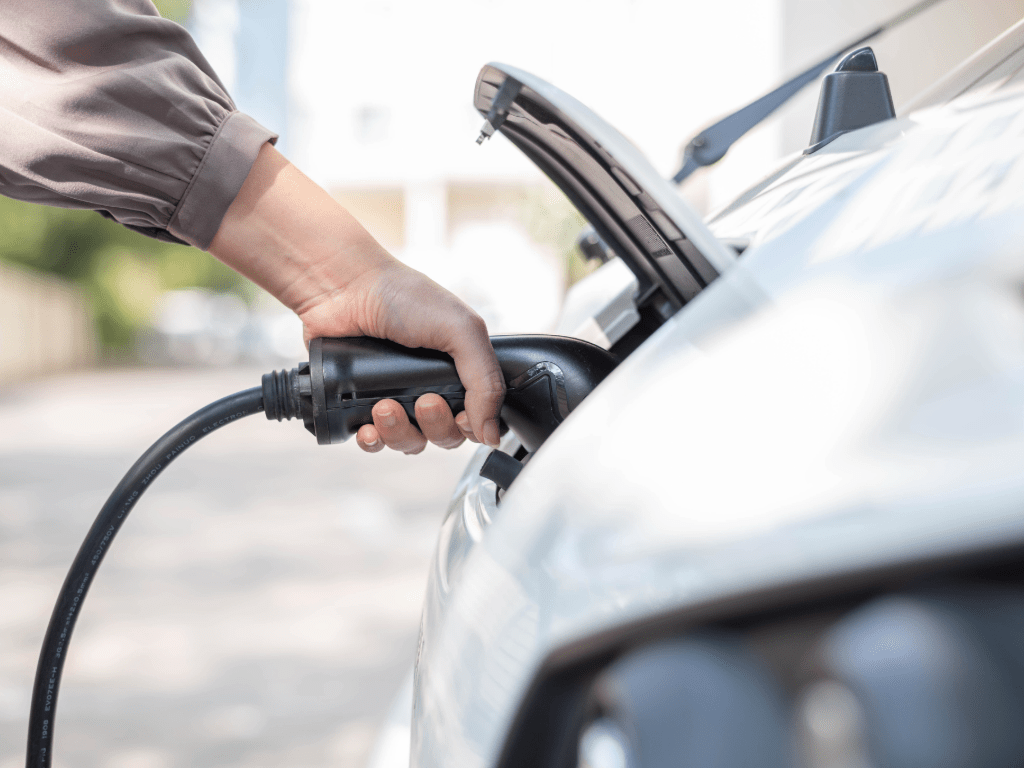
Level 2 charger installation, dedicated 240-volt circuits, panel capacity checks, charger mounting, and wiring for Seattle homeowners.

Dedicated circuit planning for major appliances and electrical loads, including code-focused breaker, wire, and panel considerations.
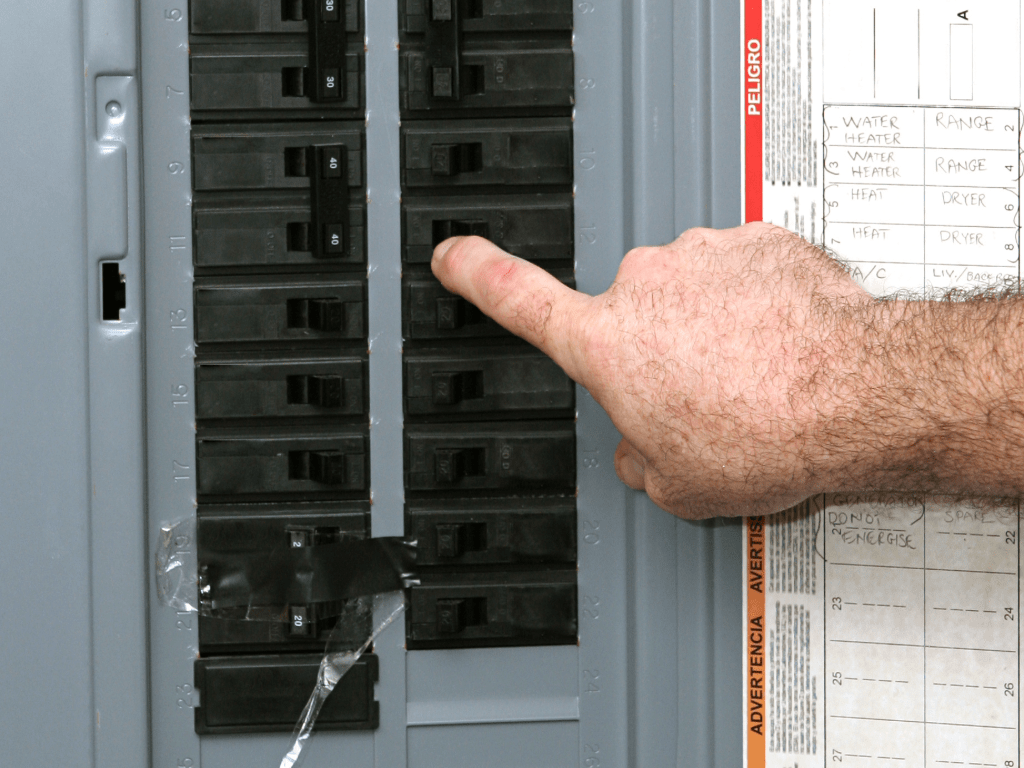
If your panel is full, outdated, or undersized for EV charging, Benchmark can help plan a safer panel replacement path.
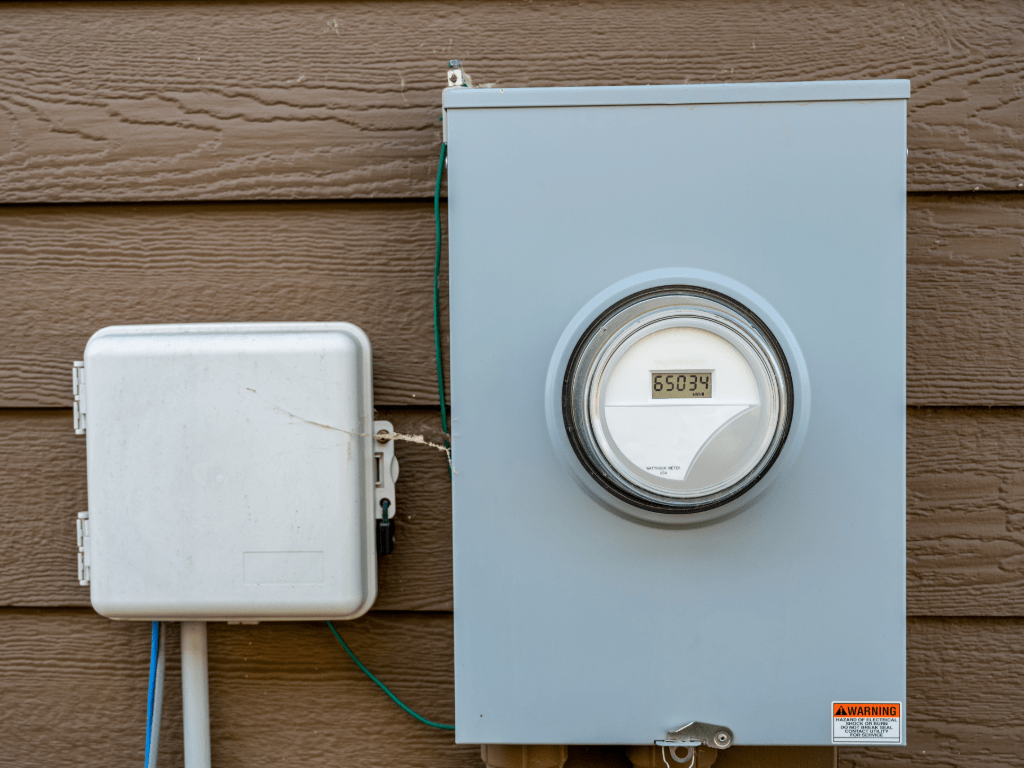
Homes adding EV charging, heat pumps, hot tubs, or other major loads may need service capacity planning before installation.
Older wiring, remodel-era wiring, and outdated branch circuits may need correction before adding a new dedicated EV charging circuit.
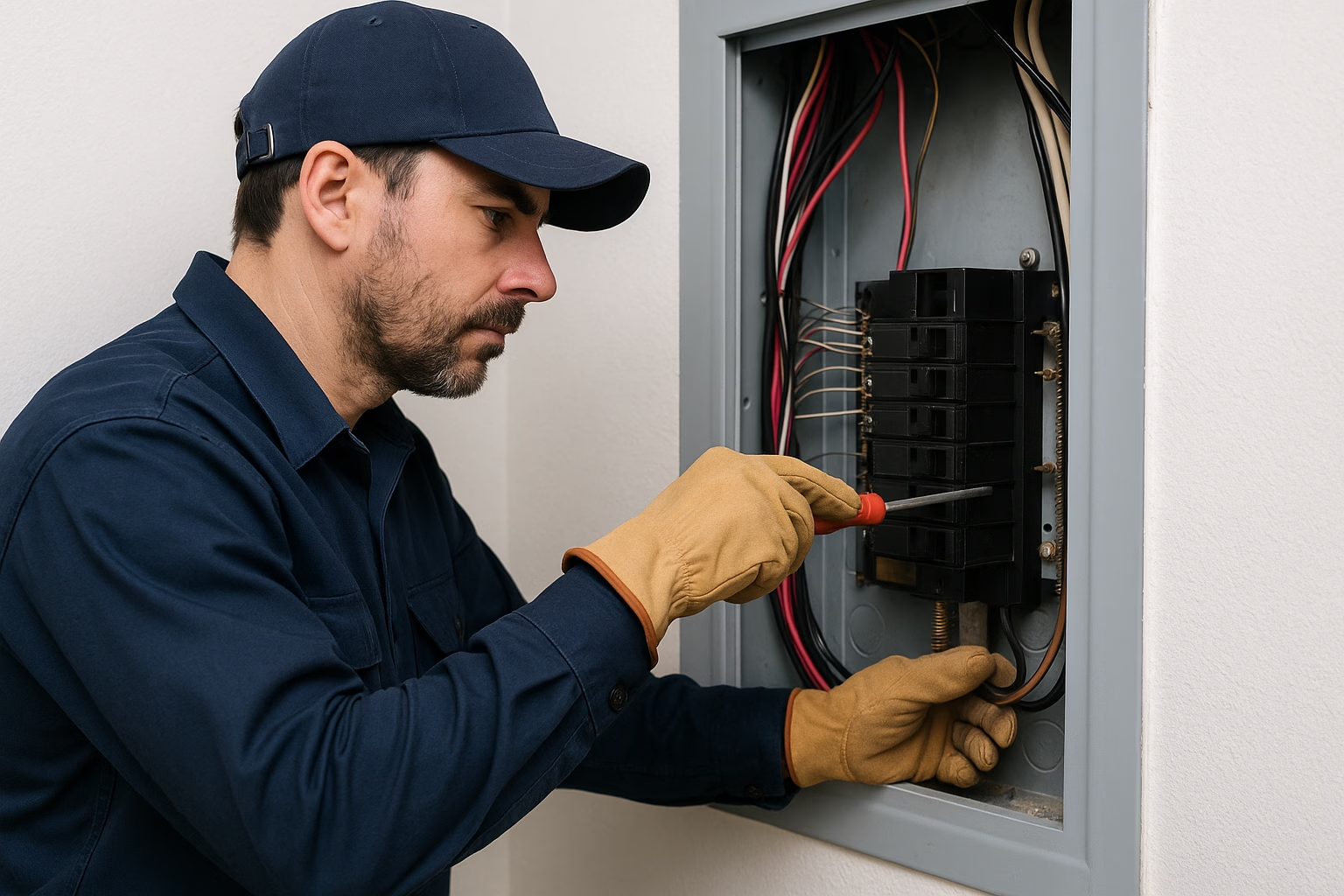
Breaker trips, warm outlets, buzzing panels, flickering lights, or outlet heat should be checked before adding EV charging load.
Serving Seattle from our nearby Des Moines base
Benchmark Home Services is based in Des Moines and serves dedicated EV charger circuit customers throughout Seattle and the greater Puget Sound area. Use the map below to view the driving route from our Des Moines base to Seattle.
Dispatch base: 1003 S. 197th St, Des Moines, WA 98148
Service area: Seattle, WA
Typical drive time: about 25 to 45 minutes, depending on traffic, neighborhood, and time of day.
Where we install dedicated EV charger circuits in Seattle
Neighborhoods we serve
- Ballard
- Fremont
- Queen Anne
- Magnolia
- Capitol Hill
- Beacon Hill
- Green Lake
- West Seattle
- Phinney Ridge
- Northgate
- Georgetown
- South Seattle
Common dedicated circuit locations
- Attached garages
- Detached garages
- Driveway parking areas
- Carports
- Exterior wall charger locations
- Alley-access parking areas
- Homes preparing for a new EV purchase
Dedicated EV charger circuit questions Seattle homeowners ask
Do I need a dedicated circuit for a Level 2 EV charger?
In most cases, yes. A Level 2 EV charger should usually be installed on a dedicated 240-volt circuit so it is not sharing power with unrelated outlets, lighting, or appliances.
Can I use an existing 240-volt outlet for EV charging?
You should not assume an existing dryer, range, or garage outlet is appropriate for EV charging. The circuit, breaker, wire, receptacle, grounding, GFCI requirements, and panel capacity should be checked first.
What size circuit does my EV charger need?
The circuit size depends on the charger, output setting, vehicle needs, wiring method, and panel capacity. A licensed electrician should match the breaker, wire, and charger setup correctly.
Can a 100 amp panel support a dedicated EV charger circuit?
Sometimes, but it depends on the home’s existing loads, charger output, panel condition, and service capacity. Some homes may need lower-output charging, load management, or panel upgrades.
Is a hardwired charger better than a NEMA 14-50 outlet?
A hardwired charger is often better for permanent daily charging, especially outdoors or in a finished garage setup. A NEMA 14-50 outlet can make sense when installed correctly for EV charging.
How much does a dedicated EV charger circuit cost?
Cost depends on panel condition, circuit size, wiring distance, access, charger location, permit requirements, and whether panel work is needed. Benchmark provides a clear estimate before work begins.
More EV charger planning resources
Seattle EV charger pages
- EV Charger Installation Seattle
- EV Charger Installation Cost Seattle
- Can My Panel Handle an EV Charger?
- Seattle electrical panel readiness checklist
- Tesla Charger Installation Seattle
- EV Charger Permit Requirements Seattle
- Hardwired EV Charger vs NEMA 14-50 Outlet
- EV Charger Cable Management Seattle
- Electrical Panel Replacement Seattle
- Electric Service Upgrades in Seattle
Helpful electrical planning resources
Nearby EV charger service areas
Nearby cities
Need a dedicated EV charger circuit?
Whether you already bought the charger or are still comparing Tesla, ChargePoint, Wallbox, Emporia, Rivian, Ford, hardwired, or plug-in options, Benchmark Home Services can help you plan the right dedicated circuit.
Ready for a dedicated EV charger circuit in Seattle?
Benchmark Home Services installs dedicated 240-volt EV charger circuits, Level 2 charger wiring, Tesla Wall Connector circuits, hardwired chargers, NEMA 14-50 EV outlet circuits, panel upgrades, and electric service upgrades in Seattle for homeowners who want safe, reliable charging at home.
Washington Contractors License # BENCHHS818NT | BENCHHS812NZ
A Des Moines, WA Electrical Company (206) 717-5076