
Seattle EV Charger Wiring Comparison
Hardwired EV Charger vs. NEMA 14-50 Outlet for Seattle Homes
Compare hardwired EV charger installation and NEMA 14-50 plug-in setups for Seattle homes, including safety, daily-use durability, outdoor locations, panel capacity, GFCI/code planning, and dedicated 240-volt circuit requirements.
Call (206) 717-5076 for your FREE estimate.
Not sure which EV charging setup fits your home? Take the 90-second Home Power Readiness Quiz to check panel capacity concerns, older-home wiring issues, and EV charger readiness.
Choose the right EV charging setup before you wire it
We help Seattle homeowners compare hardwired chargers and NEMA 14-50 outlets based on the panel, charger location, daily charging use, GFCI/code planning, and long-term durability.
- ✓ Hardwired Level 2 charger installation
- ✓ NEMA 14-50 EV outlet planning
- ✓ Dedicated 240-volt EV charging circuits
- ✓ Licensed · WA #BENCHHS818NT
See what local homeowners are saying
Real reviews from homeowners who hired Benchmark for residential electrical repairs, panel upgrades, rewiring, troubleshooting, EV charger installation, inspections, and related electrical work.
If you are comparing a hardwired EV charger vs. a NEMA 14-50 outlet in Seattle, the best answer depends on how often you charge, where the charger will be installed, whether the location is indoors or outdoors, what your vehicle needs, and whether your electrical panel can support the circuit.
A hardwired Level 2 charger is usually the cleaner long-term installation for daily home charging. A NEMA 14-50 outlet can make sense in some garages, especially when you want a plug-in setup, but it needs the correct EV-rated receptacle, dedicated circuit, breaker/GFCI planning, proper wiring, and a location that works safely for repeated charging use.
Benchmark Home Services can help you compare both options before you buy equipment or commit to a wiring plan. For full installation service, visit our EV charger installation Seattle page.
If you are still comparing the full project scope, it can also help to review our EV charger installation cost in Seattle guide, our resource on whether your electrical panel can handle an EV charger, and our guide to EV charger permit requirements in Seattle. Tesla owners can also compare this wiring decision with our Tesla charger installation in Seattle page, while West Seattle homeowners can review EV charger installation in West Seattle for more location-specific planning.
Hardwired and plug-in chargers both need the right circuit and capacity review. Use our EV charger load calculation and panel upgrade guide if the panel question is not settled.
- Hardwired chargers are often better for permanent daily charging
- NEMA 14-50 outlets can work when installed with EV charging in mind
- Dryer outlets should not be assumed safe or appropriate for EV charging
- Panel capacity should be checked before choosing either setup
There is no one-size-fits-all answer
The best EV charging setup is the one that matches your home, panel, charger, parking layout, and daily charging habits. A hardwired charger may be the better long-term solution for one Seattle home, while a plug-in EV-rated receptacle may be practical for another.
The important part is making sure the circuit, breaker, wiring, receptacle or charger, GFCI/code requirements, and panel capacity are all planned correctly.
Hardwired EV charger vs. NEMA 14-50 outlet
Permanent daily charging
Hardwired EV Charger
A hardwired EV charger is directly connected to a dedicated circuit instead of plugging into a receptacle. This is often the cleaner and more durable option for homeowners who plan to charge at home every day.
- Cleaner permanent installation
- No plug/receptacle wear from repeated use
- Good fit for garages and outdoor charger locations
- Often preferred for Tesla Wall Connector and similar chargers
- Can be matched to panel capacity and charger output
Whether you choose a hardwired charger or a plug-in EV outlet, the cable still needs a safe place to go. Review our EV charging cable storage guide before deciding where the outlet or wall connector should be mounted.
Plug-in flexibility
NEMA 14-50 Outlet
A NEMA 14-50 outlet can support some plug-in EV charging setups when it is installed as a dedicated EV charging circuit with the correct receptacle, breaker protection, wiring, and location planning.
- Useful for some mobile connector setups
- Can allow charger removal or replacement
- Needs an EV-rated receptacle for repeated charging use
- GFCI/code planning is especially important
- Outdoor locations require extra care
Why many homeowners choose a hardwired EV charger
A hardwired EV charger is often the better long-term choice when you want a clean, permanent Level 2 charger setup for daily use. Because the charger is wired directly to the dedicated circuit, there is no plug and receptacle connection being stressed by repeated insertion, removal, heat, movement, or outdoor exposure.
Hardwired installation can also be a strong fit for outdoor chargers, driveway parking, carports, Tesla Wall Connectors, Universal Wall Connectors, and homeowners who want a more finished installation that stays in place.
The circuit still needs to be planned correctly. We review panel capacity, charger output, wire route, breaker sizing, mounting location, and whether the home needs electrical panel replacement in Seattle or electric service upgrade planning before installation.
When a NEMA 14-50 outlet can make sense
You use a plug-in mobile connector
Some EV owners prefer a plug-in charging setup because they already use a mobile connector or want the option to remove the charger.
The outlet is installed for EV charging
The outlet should be planned as an EV charging circuit, not treated like a general-purpose outlet or an old dryer receptacle.
The location is protected and practical
A garage location with good access may be more practical for a plug-in setup than an exposed outdoor location with weather and physical damage concerns.
You understand charging speed limits
Plug-in setups may have different practical charging limits than hardwired chargers, depending on the charger, circuit, and vehicle.
The receptacle is EV-rated
EV charging creates long, repeated loads. The receptacle and circuit should be selected for that use, not just for occasional appliance plugging.
GFCI/code planning is included
Plug-in EV charging setups can raise specific GFCI and breaker planning questions. The installation should be designed for inspection-readiness.
Do not assume an existing dryer outlet is safe for EV charging
One of the most common EV charging mistakes is assuming an existing dryer outlet, range outlet, or old garage receptacle can be reused for a vehicle. EV charging is a long-duration load, and older receptacles may not be rated, located, wired, protected, or maintained for that kind of repeated use.
Before using any existing 240-volt outlet for EV charging, the circuit should be checked. The breaker size, wire size, receptacle condition, grounding, GFCI requirements, outlet location, panel capacity, and charger instructions all matter.
- Do not use unknown outlets without verifying the circuit
- Do not assume dryer outlets are appropriate for daily EV charging
- Do not install cheap receptacles for repeated high-load charging
- Do not ignore heat, looseness, buzzing, discoloration, or breaker trips
Our process for choosing the right EV charging setup
1. We review your vehicle and charger
We look at the charger brand, vehicle needs, charging speed goals, whether you already bought equipment, and whether the setup is hardwired or plug-in.
2. We check panel capacity
We review available breaker space, visible service capacity, major existing loads, and whether your electrical system can support the added charging load.
3. We compare hardwired vs. outlet installation
We explain the pros and tradeoffs based on your charger location, parking layout, weather exposure, circuit size, daily use, and future EV plans.
4. We install the dedicated circuit cleanly
Once the plan is clear, we install the dedicated EV charger circuit with correct wiring, breaker planning, mounting, labeling, and inspection-ready workmanship.
Hardwired vs. NEMA 14-50: key Seattle considerations
Outdoor charger locations
Hardwired chargers are often better for outdoor use because they avoid exposed plug/receptacle wear and can be mounted as a cleaner permanent installation.
Daily charging habits
If you charge every night, a hardwired charger may be a better fit than a plug-in setup that depends on repeated receptacle use.
Panel capacity
Both options require panel capacity review. The right setup depends on available electrical capacity, circuit size, and existing loads.
Future EV plans
If your household may add a second EV, change charger brands, or upgrade charging speed later, it is worth planning the circuit and panel strategy now.
Permit and inspection readiness
EV charger work should be planned with Seattle permit and inspection expectations in mind, especially when adding a new 240-volt circuit.
Cost vs. long-term value
A plug-in outlet may seem simpler, but a hardwired charger may offer better long-term durability and convenience for daily home charging.
Which is better for Tesla Wall Connector?
Tesla Wall Connector and Tesla Universal Wall Connector installations are commonly hardwired. That makes hardwired installation a natural fit for many Tesla owners who want a clean permanent setup, cable convenience, and charger output configured around the home’s electrical capacity.
A NEMA 14-50 outlet may still make sense for some Tesla Mobile Connector users, but it should be installed as a dedicated EV charging circuit with correct receptacle, breaker, wire, location, and panel planning.
When we usually recommend hardwired installation
Daily home charging
If your charger will be used every day, a hardwired charger is often the more durable, permanent, and convenient setup.
Outdoor or driveway charging
Outdoor installations are often better served by a hardwired charger because of weather exposure, cable management, and receptacle protection concerns.
Cleaner finished garage setup
Many homeowners prefer the finished look of a wall-mounted hardwired charger instead of a receptacle and separate plug-in charger.
Higher-output charging goals
Some charger and vehicle combinations are better planned as hardwired installations, especially when output settings and circuit sizing need to be matched carefully.
When a NEMA 14-50 outlet may be reasonable
You need plug-in flexibility
Some homeowners want to unplug or replace the charging equipment easily. A NEMA 14-50 outlet may support that goal when installed correctly.
The charger supports plug-in use
Not every charger should be treated the same. The charger instructions, plug type, circuit rating, and installation location should all be reviewed.
The outlet will not be abused
Plug-in setups work best when the charger stays plugged in, the receptacle is EV-rated, and the outlet is not repeatedly stressed or exposed.
The location is protected
A protected garage location is usually a better plug-in candidate than an exposed driveway, carport, or exterior wall location.
What about GFCI requirements?
GFCI and breaker planning can differ depending on whether the charger is hardwired or plug-in, the equipment instructions, the circuit, the receptacle, and the code requirements that apply to your project. This is one reason plug-in EV charging should not be treated like a normal appliance outlet.
Some hardwired chargers include built-in protective features and have manufacturer-specific installation instructions. Some receptacle-based setups may require GFCI breaker planning. We evaluate the equipment and local requirements before recommending the final wiring path.
Related Seattle electrical services
Choosing between a hardwired EV charger and a NEMA 14-50 outlet can overlap with electrical outlet installation in Seattle, electrical panel replacement in Seattle, electric service upgrades in Seattle, house rewiring in Seattle, and electrical troubleshooting in Seattle when the existing outlet, wiring, panel capacity, or circuit condition needs correction before EV charging is added.
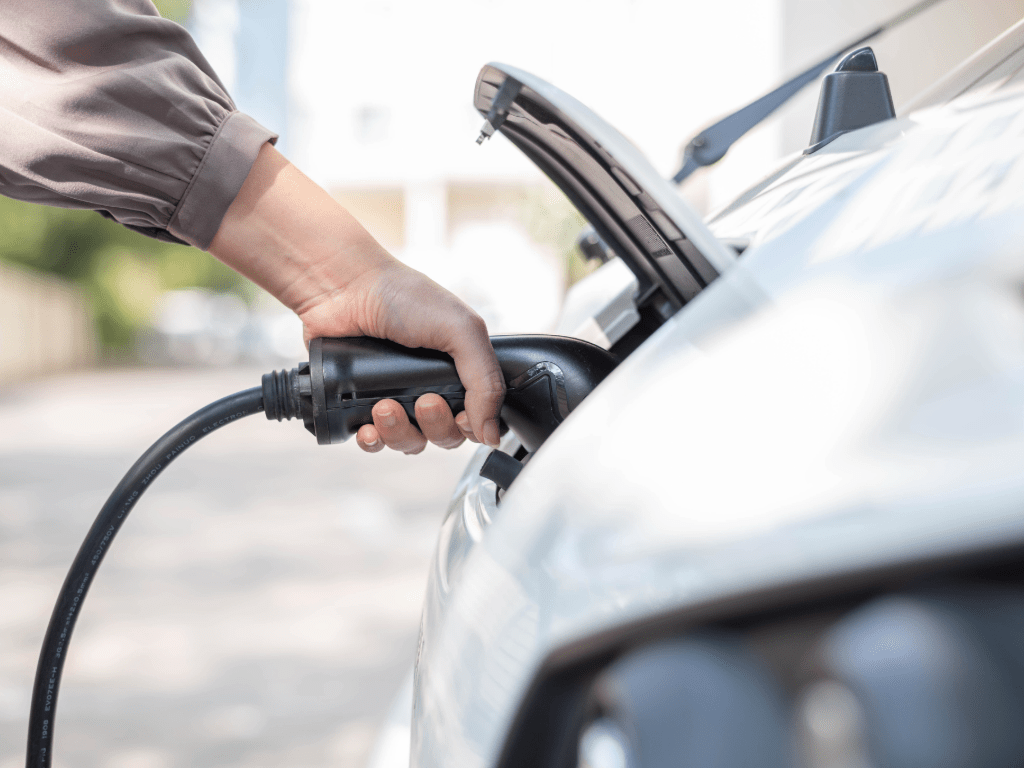
Level 2 charger installation, hardwired EV chargers, plug-in charger planning, dedicated 240-volt circuits, and panel capacity checks.
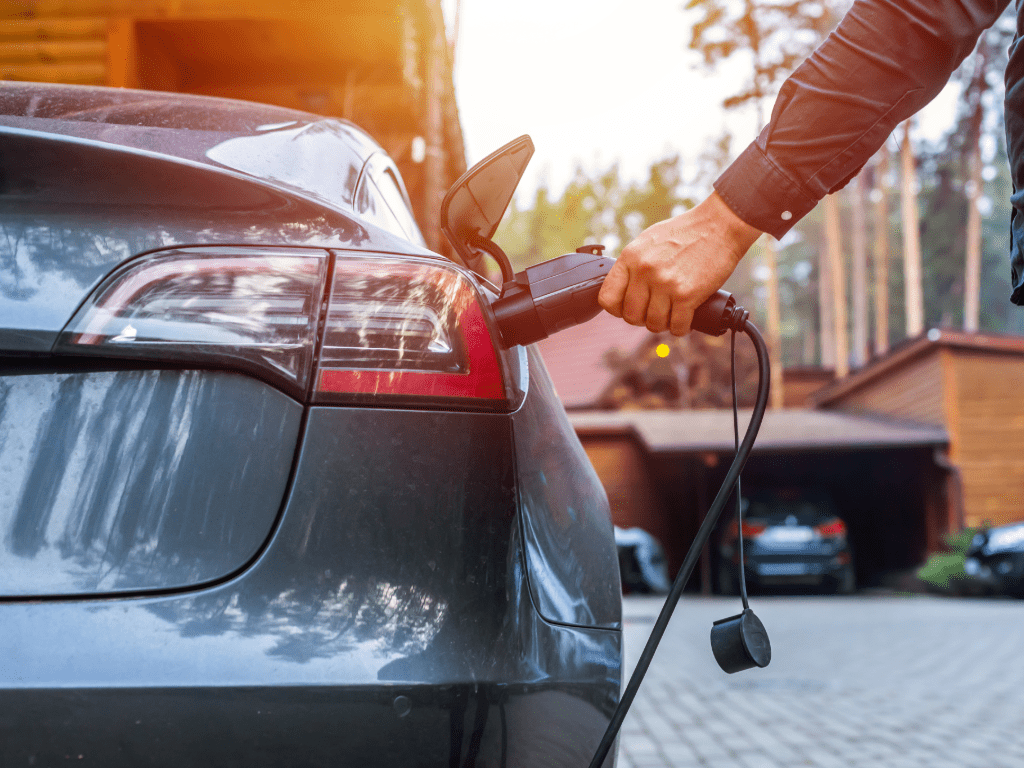
Circuit planning for Level 2 chargers, including breaker size, wire route, panel capacity, hardwired chargers, and plug-in EV outlets.
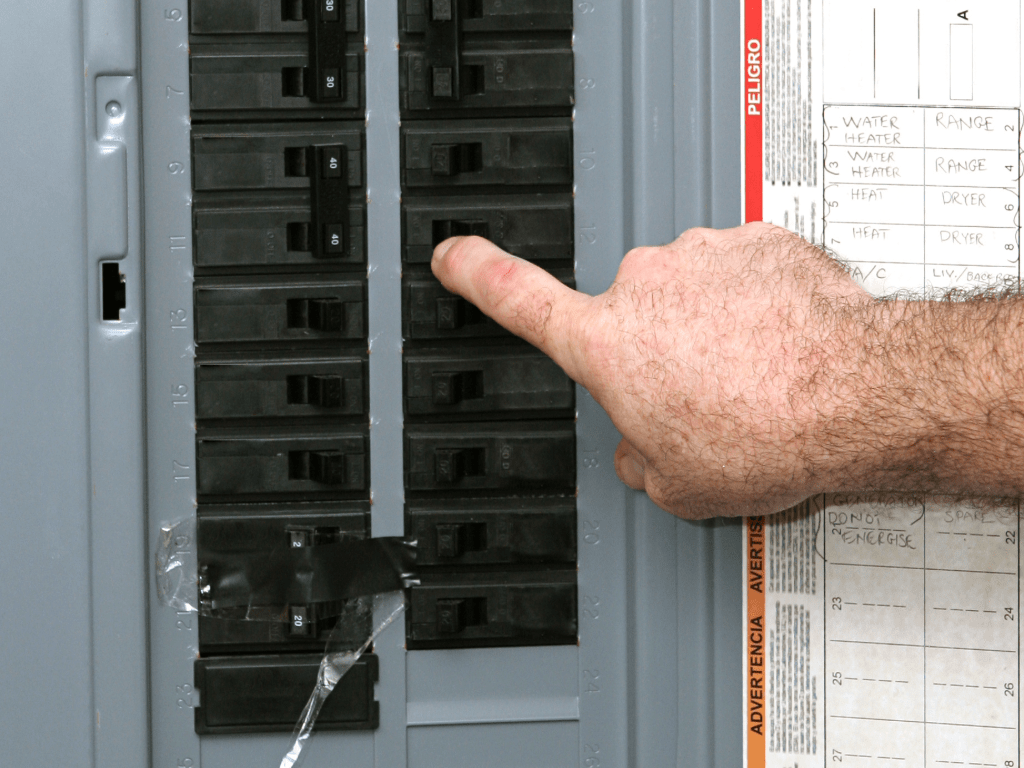
If your panel is full, outdated, or undersized for EV charging, Benchmark can help plan a safer panel replacement path.
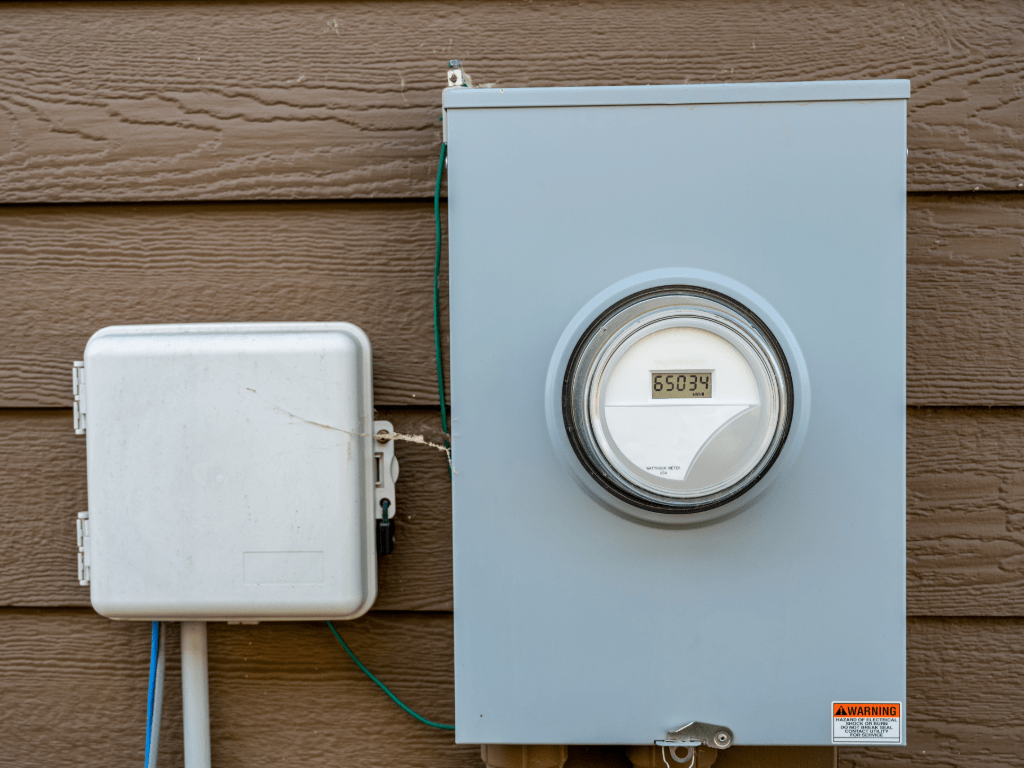
Homes adding EV charging, heat pumps, hot tubs, or other major loads may need service capacity planning before installation.

Older wiring, remodel-era wiring, and outdated circuits may need correction before adding a modern EV charging circuit.
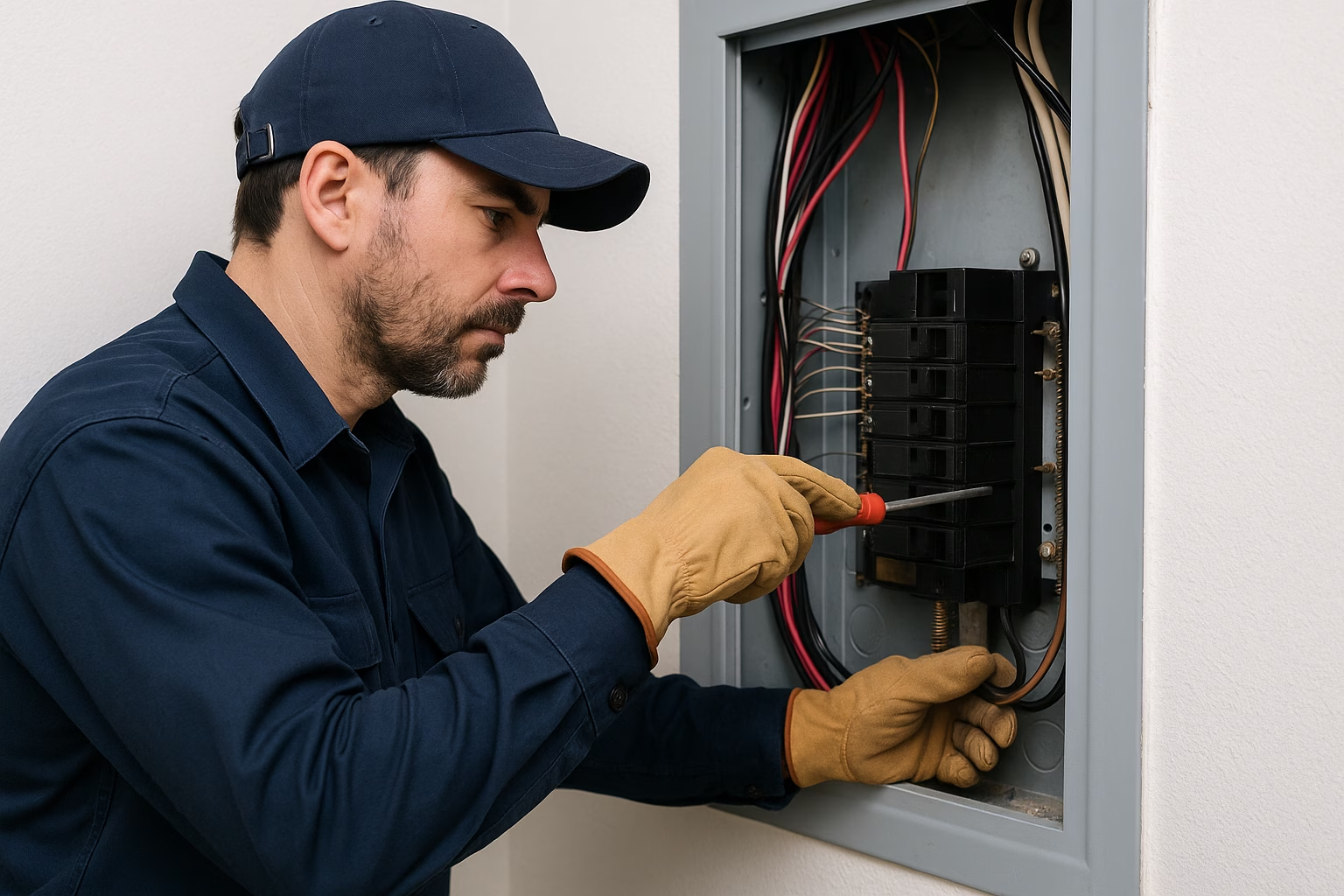
Breaker trips, warm outlets, buzzing panels, flickering lights, or outlet heat should be checked before EV charging use.
Serving Seattle from our nearby Des Moines base
Benchmark Home Services is based in Des Moines and serves EV charger installation customers throughout Seattle and the greater Puget Sound area. Use the map below to view the driving route from our Des Moines base to Seattle.
Dispatch base: 1003 S. 197th St, Des Moines, WA 98148
Service area: Seattle, WA
Typical drive time: about 25 to 45 minutes, depending on traffic, neighborhood, and time of day.
Where we help Seattle homeowners compare EV charging options
Neighborhoods we serve
- Ballard
- Fremont
- Queen Anne
- Magnolia
- Capitol Hill
- Beacon Hill
- Green Lake
- West Seattle
- Phinney Ridge
- Northgate
- Georgetown
- South Seattle
Common charging locations
- Attached garages
- Detached garages
- Driveway parking areas
- Carports
- Exterior wall charger locations
- Alley-access parking areas
- Homes replacing old dryer-outlet charging setups
Hardwired EV charger vs. NEMA 14-50 questions Seattle homeowners ask
Is a hardwired EV charger better than a NEMA 14-50 outlet?
Often, yes, especially for daily charging, outdoor locations, and permanent garage setups. A NEMA 14-50 outlet can still make sense when it is installed correctly for EV charging.
Can I use an existing dryer outlet for EV charging?
You should not assume an existing dryer outlet is safe or appropriate. The breaker, wire, receptacle, grounding, GFCI requirements, location, and panel capacity should be checked first.
Does a NEMA 14-50 outlet need a dedicated circuit?
For EV charging, a NEMA 14-50 setup should be planned as a dedicated EV charging circuit, not as a shared or casual extension of an existing appliance circuit.
Is hardwired better for outdoor EV charging?
Hardwired chargers are often a better fit for outdoor installations because they avoid exposed plug and receptacle wear, but the charger, conduit, mounting, and weather exposure still need correct planning.
Does a plug-in EV outlet need GFCI protection?
Plug-in EV charging setups can require specific GFCI and breaker planning depending on the project and code requirements. A licensed electrician should confirm the correct approach.
Which setup costs less?
Cost depends on the charger, outlet or hardwired equipment, panel condition, circuit size, wiring distance, permit needs, and whether panel work is required. Benchmark provides a clear estimate before work begins.
More EV charger planning resources
Seattle EV charger pages
- EV Charger Installation Seattle
- EV Charger Installation Cost Seattle
- Can My Panel Handle an EV Charger?
- Do I Need a Panel Upgrade for an EV Charger?
- Tesla Charger Installation Seattle
- EV Charger Permit Requirements Seattle
- Dedicated 240V EV Charger Circuit Seattle
- EV Charger Cable Management Seattle
- Electrical Panel Replacement Seattle
- Electric Service Upgrades in Seattle
Helpful electrical planning resources
Nearby EV charger service areas
Nearby cities
Need help choosing the right setup?
Whether you are deciding between a hardwired EV charger, Tesla Wall Connector, NEMA 14-50 outlet, or another Level 2 charging setup, Benchmark Home Services can help you compare the safest path for your Seattle home.
Ready to choose between a hardwired charger and NEMA 14-50 outlet?
Benchmark Home Services installs hardwired EV chargers, NEMA 14-50 EV outlet circuits, Tesla Wall Connectors, dedicated 240-volt circuits, panel upgrades, and electric service upgrades in Seattle for homeowners who want safe, reliable charging at home.
Washington Contractors License # BENCHHS818NT | BENCHHS812NZ
A Des Moines, WA Electrical Company (206) 717-5076