
Seattle Detached Garage EV Charger Electricians
Detached Garage EV Charger Installation in Seattle
Planning an EV charger for a detached Seattle garage? Benchmark Home Services helps with panel capacity checks, trenching considerations, outdoor conduit, subpanel review, dedicated 240-volt circuits, charger placement, and safe Level 2 charging plans.
Call (206) 717-5076 for your FREE estimate.
Not sure if your detached garage can support an EV charger? Take the 90-second Home Power Readiness Quiz to check panel capacity concerns, older-home wiring issues, and EV charger readiness.
Detached garage charging planned from panel to parking spot
Detached garage EV charger projects need more than a charger mount. We review the main panel, garage power, route distance, conduit or trenching needs, charger placement, subpanel condition, and whether the home can safely support Level 2 charging.
- ✓ Detached garage EV charger circuits and wiring
- ✓ Outdoor conduit, trenching, and route planning
- ✓ Panel capacity and garage subpanel review
- ✓ Licensed · WA #BENCHHS818NT
See what local homeowners are saying
Real reviews from homeowners who hired Benchmark for residential electrical repairs, panel upgrades, rewiring, troubleshooting, EV charger installation, inspections, and related electrical work.
A detached garage EV charger installation in Seattle can be more involved than mounting a charger inside an attached garage. The electrical panel may be far from the garage, the existing garage wiring may be limited, and the project may require outdoor conduit, trenching, subpanel review, grounding review, and a dedicated 240-volt circuit sized for Level 2 charging.
Some detached garages already have a usable subpanel or conduit path. Others only have a small lighting circuit, old wiring, or no practical electrical capacity for an EV charger. Before installing the charger, Benchmark reviews the home’s panel, service size, garage power, route between buildings, charger location, parking layout, and whether the garage can safely support the added load.
Detached garage projects need a more detailed electrical review. Request a detached garage EV charger bid and upload photos of the main panel, garage, parking area, and likely wiring route.
If your charger project starts with a detached structure, we help you understand the whole path: main panel, feeder or circuit route, trenching or exterior conduit, garage equipment, charger placement, and whether a dedicated 240-volt EV charger circuit is enough or if panel or service work should be considered.
Homeowners comparing detached garage charging options may also want to review our broader EV charger installation in Seattle service page, our EV charger installation cost in Seattle guide, and our can my electrical panel handle an EV charger resource before deciding whether the project needs a simple dedicated circuit, a charger-specific outlet, panel work, trenching, or a larger service plan. For charger-specific planning, see our pages on Tesla charger installation in Seattle, EV charger permit requirements in Seattle, hardwired EV chargers vs. NEMA 14-50 outlets, Level 1 vs. Level 2 EV charging, best home EV chargers for Seattle homes, and EV charger installation in West Seattle.
- Detached garages often need extra planning because of distance, conduit, subpanels, and grounding
- Existing garage power may not be enough for a Level 2 charger
- Trenching and outdoor conduit can affect cost, route, and schedule
- Panel capacity should be checked before committing to charger size or output
The distance to the garage matters
A charger near the main electrical panel can be straightforward. A charger in a detached garage may require routing power across a yard, driveway, basement, crawlspace, exterior wall, or existing conduit path.
That distance affects wire routing, conduit, trenching, voltage drop considerations, labor, materials, permit planning, and whether a subpanel or panel upgrade should be part of the discussion.
Detached garage EV charger installation scenarios
Most straightforward
Existing subpanel is usable
Some detached garages already have a subpanel or power route that can be evaluated for EV charging. The panel still needs to be checked for capacity, condition, grounding, and whether it can support a new dedicated charger circuit.
- Garage subpanel review
- Breaker space and capacity check
- Charger location planning
- Dedicated Level 2 circuit
More planning needed
Garage has limited power
Many detached garages only have enough power for lights, a few outlets, or old garage circuits. That may not be enough for EV charging without a new circuit, feeder, conduit path, or electrical upgrade.
- Old garage circuit review
- New 240-volt route planning
- Conduit or trenching discussion
- Main panel capacity check
Most involved
No practical route exists yet
If the detached garage does not have a usable electrical path, the project may involve trenching, underground conduit, exterior routing, panel work, permits, inspection access, and careful placement planning.
- Trenching and conduit route
- Panel or service upgrade review
- Outdoor charger placement
- Inspection-ready installation
Why detached garages make EV charger installation more complex
In an attached garage, the charger is often close to the home’s main electrical panel. In a detached garage, the charger may be separated from the main panel by a driveway, yard, walkway, finished basement, crawlspace, exterior wall, or existing buried conduit that may or may not be usable.
That added distance affects the wire route, conduit type, trenching requirements, charger placement, voltage drop considerations, permit planning, and whether the existing garage electrical system can support a Level 2 charger. The project also needs to account for the home’s overall electrical load and whether the main panel can safely support the charger.
If your detached garage has old wiring, a small subpanel, no subpanel, or a questionable underground feed, we may recommend evaluating the garage power before choosing the charger. That helps avoid buying equipment that does not fit the electrical system.
Our detached garage EV charger installation process
1. We review your charger, vehicle, and parking location
We look at the charger brand, charging speed goals, vehicle charge port location, cable reach, whether the car parks inside or outside, and where the charger should be mounted.
2. We inspect the main panel and garage power
We review the home’s main panel, service capacity, available breaker space, existing loads, garage subpanel if present, and whether the electrical system can support the added EV charging load.
3. We plan the route between the house and garage
The route may involve existing conduit, new exterior conduit, trenching, crawlspace or basement routing, garage wall routing, or a new path from the main electrical panel to the charger location.
4. We install the dedicated charging circuit
Once the route and capacity are confirmed, we install the dedicated circuit, breaker, conduit, wiring, charger mounting, labeling, and inspection-ready electrical work.
What affects detached garage EV charger cost?
Distance from panel to garage
Longer routes need more labor, wire, conduit, planning, and sometimes trenching. The distance is one of the biggest cost drivers.
Existing garage electrical service
A usable garage subpanel may simplify the project. A small, old, or overloaded garage feed can make the installation more involved.
Trenching conditions
Concrete, landscaping, slopes, driveways, buried utilities, roots, and access constraints can all affect trenching difficulty.
Outdoor conduit routing
Exterior conduit needs clean routing, physical protection, weather exposure planning, and proper installation details.
Panel capacity
If the main panel is full or undersized, the charger project may require lower-output charging, load management, panel replacement, or service upgrade planning.
Charger output and circuit size
Higher-output chargers can require larger circuits and more available capacity. A lower-output Level 2 setup may be a better fit for some homes.
Does a detached garage need a subpanel for EV charging?
Not always. Some installations can be planned with a dedicated circuit from the main panel to the charger. Others may benefit from a garage subpanel, especially when the garage also needs additional outlets, lighting, shop equipment, door openers, heat, or future electrical capacity.
The right choice depends on the existing garage wiring, route distance, available panel capacity, charger size, future garage use, and whether the project should be built for only one charger or broader garage power upgrades.
Detached garage charger placement questions
Detached garages often have tighter parking layouts, longer cord paths, and more chances for the charging cable to end up on the floor. Our detached garage EV charger cable management guide explains when wall holders, overhead support, or a different charger location may help.
Inside the detached garage
Interior mounting may protect the charger from weather and can be convenient when the vehicle parks inside. Cable reach and wall placement still matter.
Outside the garage wall
Exterior wall mounting may be better when the vehicle parks in the driveway. The charger, conduit, mounting surface, and cable management need weather-aware planning.
Between two parking spaces
Some homes need the charger placed so it can reach more than one parking position. Cable length, charge port location, and trip hazards should be considered.
Near alley-access parking
Alley parking can create placement, protection, cable reach, and security questions. The charger should be installed where it is useful and protected.
Can my panel handle a detached garage EV charger?
The panel has to support the EV charger load before the route to the detached garage is finalized. A long run to the garage does not change the basic question: does the electrical system have enough capacity for the charger, existing home loads, and future electrical plans?
If the main panel is full, outdated, limited to 100 amp service, or already supporting several major loads, the installation may need a lower-output charger, load management, electrical panel replacement in Seattle, or electric service upgrade planning.
Detached garage charging still starts at the main electrical capacity. Use this EV charger capacity review if you are unsure whether the existing panel can support the project.
Common detached garage EV charger setups
Tesla Wall Connector
Tesla Wall Connector or Universal Wall Connector can work well in a detached garage when the dedicated circuit, charger output, cable reach, and panel capacity are planned correctly.
Hardwired Level 2 charger
Hardwired chargers are often a strong fit for detached garages because they create a cleaner permanent setup and avoid plug/receptacle wear.
NEMA 14-50 EV outlet
A plug-in EV outlet may make sense in some detached garages, but it should be installed as an EV-rated dedicated circuit with proper code planning.
Outdoor driveway charger
If the car parks outside the garage, the charger may need exterior mounting, weather-rated planning, conduit protection, and careful cable reach review.
Garage subpanel upgrade
Some detached garages need subpanel work before adding a charger, especially if future outlets, tools, lighting, or heat are part of the plan.
Long conduit run
Long wire routes need careful planning so the installation is clean, durable, protected, and properly sized for the charger.
Permit and inspection planning for detached garage chargers
Detached garage EV charger installation should be planned as code-focused electrical work. The project may involve a new branch circuit, feeder, conduit, trenching, charger mounting, panel work, subpanel work, or outdoor wiring that needs inspection-ready installation.
Seattle permit requirements can vary based on project scope, property type, panel work, feeder work, and whether plan review is required. Benchmark helps homeowners think through the electrical side before the project starts.
Related Seattle electrical services
Detached garage charger projects can overlap with electrical outlet installation in Seattle, electrical panel replacement in Seattle, electric service upgrades in Seattle, house rewiring in Seattle, and electrical troubleshooting in Seattle when the existing garage wiring, panel capacity, or feeder route needs correction before EV charging is added.

Level 2 charger installation, dedicated 240-volt circuits, panel capacity checks, charger mounting, and wiring for Seattle homeowners.

Circuit planning for Level 2 chargers, including breaker size, wire route, panel capacity, hardwired chargers, and plug-in EV outlets.
Tesla Wall Connector, Universal Wall Connector, dedicated circuits, output planning, and detached garage placement review.
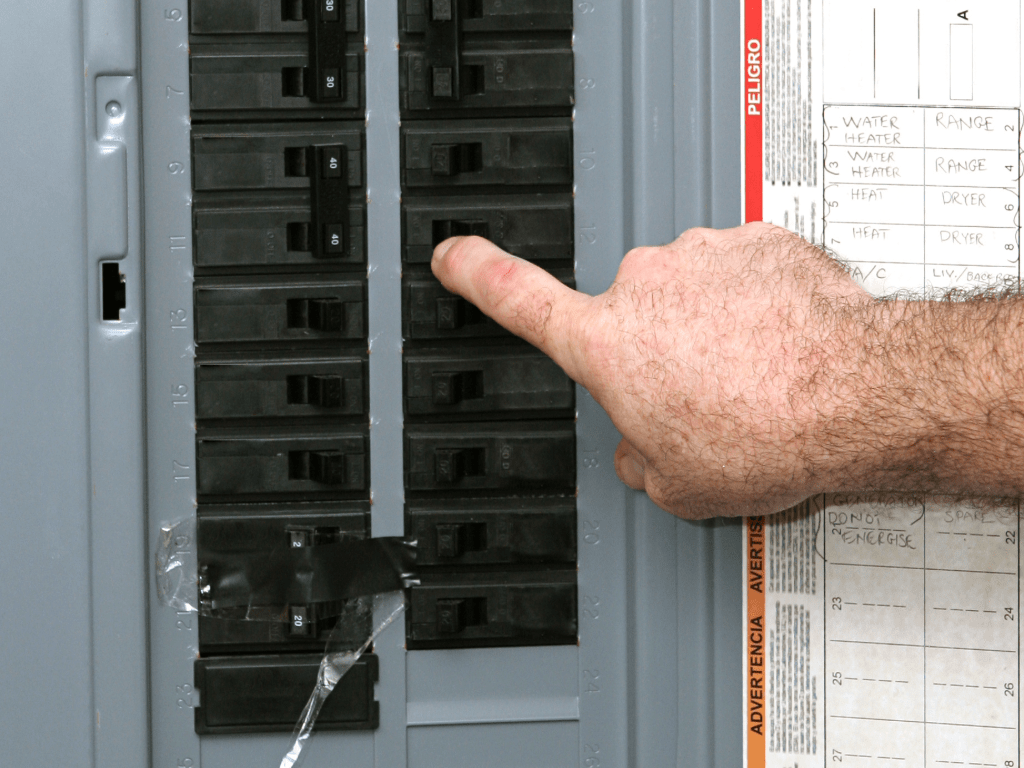
If your panel is full, outdated, or undersized for EV charging, Benchmark can help plan a safer panel replacement path.

Older wiring, remodel-era wiring, and outdated circuits may need correction before adding a detached garage EV charger circuit.
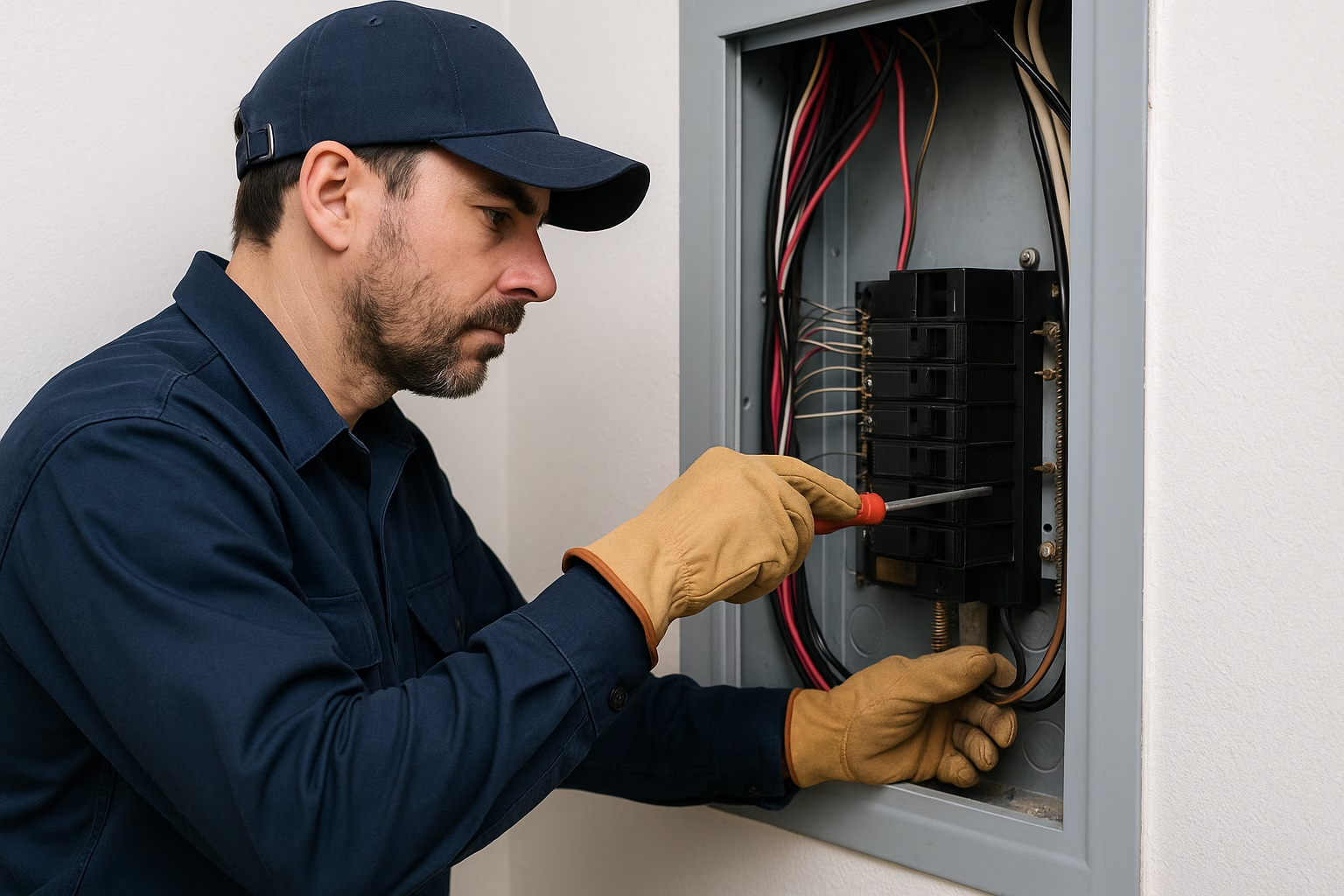
Breaker trips, warm outlets, buzzing panels, flickering lights, or garage power issues should be checked before EV charging use.
Serving Seattle from our nearby Des Moines base
Benchmark Home Services is based in Des Moines and serves detached garage EV charger customers throughout Seattle and the greater Puget Sound area. Use the map below to view the driving route from our Des Moines base to Seattle.
Dispatch base: 1003 S. 197th St, Des Moines, WA 98148
Service area: Seattle, WA
Typical drive time: about 25 to 45 minutes, depending on traffic, neighborhood, and time of day.
Where we install detached garage EV chargers in Seattle
Neighborhoods we serve
- Ballard
- Fremont
- Queen Anne
- Magnolia
- Capitol Hill
- Beacon Hill
- Green Lake
- West Seattle
- Phinney Ridge
- Northgate
- Georgetown
- South Seattle
Detached garage situations we review
- Detached garage with existing subpanel
- Detached garage with only lights and outlets
- Detached garage with no usable charger circuit
- Driveway charger mounted on garage exterior
- Alley-access parking chargers
- Long conduit runs from the main panel
- Trenching and underground conduit planning
Detached garage EV charger questions Seattle homeowners ask
Can I install an EV charger in a detached garage?
Yes, many detached garages can support EV charger installation, but the main panel, garage wiring, conduit route, subpanel, grounding, and available capacity should be checked first.
Does a detached garage EV charger require trenching?
Sometimes. If there is no usable existing electrical route to the garage, the project may require trenching, underground conduit, or another approved exterior wiring path.
Can I use my existing detached garage outlets for EV charging?
You should not assume existing garage outlets are safe or appropriate for EV charging. Level 2 charging usually needs a dedicated 240-volt circuit planned for the charger.
Do I need a subpanel in the detached garage?
Not always. Some installations use a dedicated circuit from the main panel. Others may need a subpanel or feeder upgrade depending on garage power needs and future plans.
Can a Tesla Wall Connector go in a detached garage?
Yes. Tesla Wall Connector and Universal Wall Connector installations can work in detached garages when the dedicated circuit, charger output, route, and panel capacity are planned correctly.
How much does detached garage EV charger installation cost?
Cost depends on panel capacity, distance to the garage, trenching, conduit route, charger size, subpanel condition, access, permit requirements, and whether panel work is needed.
More EV charger planning resources
Seattle EV charger pages
- EV Charger Installation Seattle
- EV Charger Installation Cost Seattle
- Can My Panel Handle an EV Charger?
- Tesla Charger Installation Seattle
- EV Charger Permit Requirements Seattle
- Hardwired EV Charger vs NEMA 14-50 Outlet
- Dedicated 240V EV Charger Circuit Seattle
- Best Home EV Chargers for Seattle Homes
- EV Charger Cable Management Seattle
Helpful electrical planning resources
Nearby EV charger service areas
Nearby cities
Need EV charging in a detached garage?
Benchmark Home Services can review your main panel, detached garage wiring, conduit route, trenching needs, charger location, and Level 2 installation options before work begins.
Ready to plan a detached garage EV charger in Seattle?
Benchmark Home Services installs detached garage EV chargers, dedicated 240-volt circuits, Tesla Wall Connectors, hardwired chargers, NEMA 14-50 EV outlet circuits, garage subpanel upgrades, panel upgrades, and electric service upgrades in Seattle for homeowners who want safe, reliable charging at home.
Washington Contractors License # BENCHHS818NT | BENCHHS812NZ
A Des Moines, WA Electrical Company (206) 717-5076