
Wallbox EV Charger Electricians Serving Seattle, WA
Wallbox Charger Installation in Seattle, WA
Benchmark installs Wallbox home EV chargers in Seattle with dedicated 240-volt circuits, panel capacity checks, clean wiring, charger mounting, outdoor installation planning, hardwired setup review, and Level 2 charging guidance.
Call (206) 717-5076 for your FREE estimate.
Not sure if your Seattle home is ready for a Wallbox charger? Take the 90-second Home Power Readiness Quiz to check panel capacity concerns, older-home wiring issues, and EV charger readiness before installation.
Wallbox charging planned around your home
We help Seattle homeowners install Wallbox chargers by checking the panel, circuit path, charger settings, mounting location, Wi-Fi considerations, and whether the setup should be hardwired or plug-in.
- ✓ Wallbox Pulsar Plus and Level 2 charger installation
- ✓ Dedicated 240-volt circuit and panel capacity checks
- ✓ Hardwired, plug-in, garage, driveway, and outdoor setups
- ✓ Licensed · WA #BENCHHS818NT
See what local homeowners are saying
Real reviews from homeowners who hired Benchmark for residential electrical repairs, panel upgrades, rewiring, troubleshooting, EV charger installation, inspections, and related electrical work.


Looking for Wallbox charger installation in Seattle, WA? Benchmark Home Services installs Wallbox Pulsar Plus and other Wallbox home EV charging equipment for homeowners who want a clean Level 2 charging setup with a dedicated 240-volt circuit.
Wallbox chargers are compact smart chargers, but the installation still depends on the home’s electrical system. Before installing your Wallbox charger, we review the panel, available capacity, breaker space, wiring path, charger model, output setting, parking layout, cable reach, indoor or outdoor mounting location, and whether the charger should be hardwired or plug-in.
If you are still comparing chargers, see our best home EV chargers for Seattle homes guide. For the main service page, visit EV charger installation in Seattle.
- Wallbox Pulsar Plus installation for Seattle garage, driveway, and outdoor charging setups
- Dedicated 240-volt circuit planning based on charger output, breaker size, and panel capacity
- Hardwired and plug-in setup review depending on charger model and installation location
- Outdoor charger planning for weather exposure, conduit routing, mounting, and cable reach
Buying the Wallbox is only step one
A Wallbox charger still needs the right circuit behind it. The charger model, amperage, connector type, mounting location, and panel capacity all affect the installation plan.
We help you avoid the common mistake of buying a charger before confirming whether your Seattle home can support the circuit and output level you want.
Wallbox charger installation options
Common Wallbox option
Wallbox Pulsar Plus
Wallbox Pulsar Plus is a compact Level 2 smart charger option for homeowners who want app features, cable management, and a permanent charging location.
- Compact wall-mounted charger
- Level 2 home charging
- Wi-Fi and Bluetooth features
- Garage or outdoor placement planning
Permanent daily charging
Hardwired Wallbox Setup
A hardwired Wallbox installation is often the better long-term setup for daily charging, outdoor locations, and homeowners who want a clean permanent charger.
- Dedicated 240-volt circuit
- No EV outlet wear
- Good for exterior charger locations
- Clean finished installation
Plug-in flexibility
NEMA 14-50 Wallbox Setup
Some Wallbox configurations may support plug-in installation. A plug-in setup should still be installed as an EV-rated dedicated circuit with code-focused planning.
- EV-rated receptacle planning
- GFCI and breaker considerations
- Best in protected locations
- Not the same as reusing an old dryer outlet
What makes Wallbox installation different from a basic outlet?
A Wallbox charger is a Level 2 EV charging device, not a normal appliance plugged into a casual outlet. The circuit should be planned around the charger’s output, the home’s panel capacity, the vehicle’s charging needs, and the location where the charger will be used every day.
For Seattle homes, this often means checking whether the panel has enough usable capacity, whether the circuit route is practical, whether the charger should be hardwired, and whether the installation location is indoors, outdoors, in an attached garage, in a detached garage, or near driveway parking.
If you are deciding between a hardwired charger and a plug-in EV outlet, visit our hardwired EV charger vs NEMA 14-50 outlet guide.
Installing a Wallbox charger? Request a Wallbox charger installation bid so Benchmark can review your panel, wiring route, charger settings, and installation location.
Our Wallbox charger installation process
1. We confirm your Wallbox model and charging goals
We review the Wallbox charger model, connector type, hardwired or plug-in setup, charging speed goals, vehicle type, daily driving needs, and preferred charger location.
2. We check panel capacity and breaker space
We review the electrical panel, visible service capacity, major existing loads, available breaker space, and whether the home can support the Wallbox charger output you want.
3. We plan the dedicated 240-volt circuit
Most Wallbox Level 2 charger installations need a dedicated 240-volt circuit. We plan the breaker, wire route, conduit, charger placement, and inspection-ready installation details.
4. We install and explain the setup
After installation, we walk you through the charger location, dedicated circuit, breaker, mounting, and practical daily-use considerations for safe home charging.
Wallbox charger installation considerations
40A vs. 48A planning
Wallbox charger configurations can vary. The circuit should be planned around the actual charger model, rated current, wiring method, and panel capacity.
Hardwired vs. plug-in
Hardwired installations are often cleaner for daily use. Plug-in setups need correct EV-rated receptacle, breaker, GFCI, and placement planning.
Panel capacity
An open breaker slot does not automatically mean your panel can handle a Level 2 charger. Existing loads and service size still matter.
Outdoor mounting
Outdoor Wallbox installations require weather-aware mounting, conduit protection, charger placement, cable reach, and physical protection planning.
Wi-Fi and app use
Smart charger features work best when the charger location has practical connectivity. Detached garages and exterior walls may need extra thought.
Future EV plans
If your household may add another EV, change vehicle brands, or add solar or battery storage later, the circuit plan should consider future flexibility.
Can my panel handle a Wallbox charger?
Many Seattle homes can support a Wallbox Level 2 charger, but the panel should be checked before installation. Breaker space, service size, existing electric loads, charger output, wire route, and panel condition all affect the answer. Before choosing the final Wallbox charger setup, review our Wallbox charger panel capacity review so the charger output matches the home.
If your panel is full, outdated, limited to 100 amp service, or already supporting several major loads, the better path may include a lower-output setup, load management, electrical panel replacement in Seattle, or electric service upgrade planning.
Where Wallbox chargers work well
Attached garage Wallbox installation
This is often the simplest setup when the panel is nearby, the charger location is accessible, and the cable reaches the vehicle comfortably.
Outdoor driveway Wallbox installation
Exterior installations need weather-rated planning, conduit routing, safe mounting, and cable management around parking areas.
Detached garage Wallbox installation
Detached garage projects may involve trenching, exterior conduit, garage subpanel review, longer wire runs, and Wi-Fi signal considerations.
Multi-EV household planning
If your household may add a second EV, the Wallbox charger setup should be planned around panel capacity and long-term charging needs.
Wallbox charger in a detached garage
A Wallbox charger can be a strong fit for a detached garage, but the project needs more planning than a charger mounted near the main panel. The existing garage power may not be enough, and the route from the home to the garage may require conduit, trenching, subpanel review, or a new dedicated circuit.
Smart charger features also depend on the charger location. If the detached garage has weak Wi-Fi, app features may be less reliable unless connectivity is addressed.
Wallbox vs. other home EV chargers
Wallbox vs. Tesla Wall Connector
Tesla Wall Connector is often chosen for Tesla-only households. Wallbox may be considered by homeowners who want compact smart charging for a wider mix of EVs.
Wallbox vs. ChargePoint Home Flex
Both are popular smart Level 2 charger options. The better fit depends on your vehicle, connector needs, app preferences, panel capacity, and installation path.
Wallbox vs. Emporia
Emporia is often chosen for energy monitoring features. Wallbox is often chosen for compact smart charging and app-based charger control.
Wallbox vs. NEMA 14-50 outlet
A Wallbox hardwired installation is usually a cleaner permanent setup. A NEMA 14-50 setup can make sense when installed correctly for plug-in EV charging.
Wallbox for outdoor charging
Outdoor use should be planned around the charger rating, mounting surface, conduit route, weather exposure, and cable reach.
Wallbox for future EV flexibility
If you may change vehicle brands later, charger connector type and adapter strategy should be considered before installation.
Should a Wallbox charger be hardwired?
A hardwired Wallbox installation is often the better long-term fit for daily charging, especially in outdoor, driveway, or permanent garage locations. Hardwiring avoids repeated plug and receptacle wear and creates a cleaner fixed installation.
A plug-in setup may still be reasonable in a protected garage when the charger model supports it and the EV outlet is installed correctly. The outlet should be EV-rated, on a dedicated circuit, and planned for the charger load.
Related Seattle electrical services

Level 2 charger installation, dedicated 240-volt circuits, panel capacity checks, charger mounting, and wiring for Seattle homeowners.

Circuit planning for Level 2 chargers, including breaker size, wire route, panel capacity, hardwired chargers, and plug-in EV outlets.
Compare Tesla, Wallbox, ChargePoint, Emporia, hardwired chargers, plug-in chargers, and home electrical requirements.
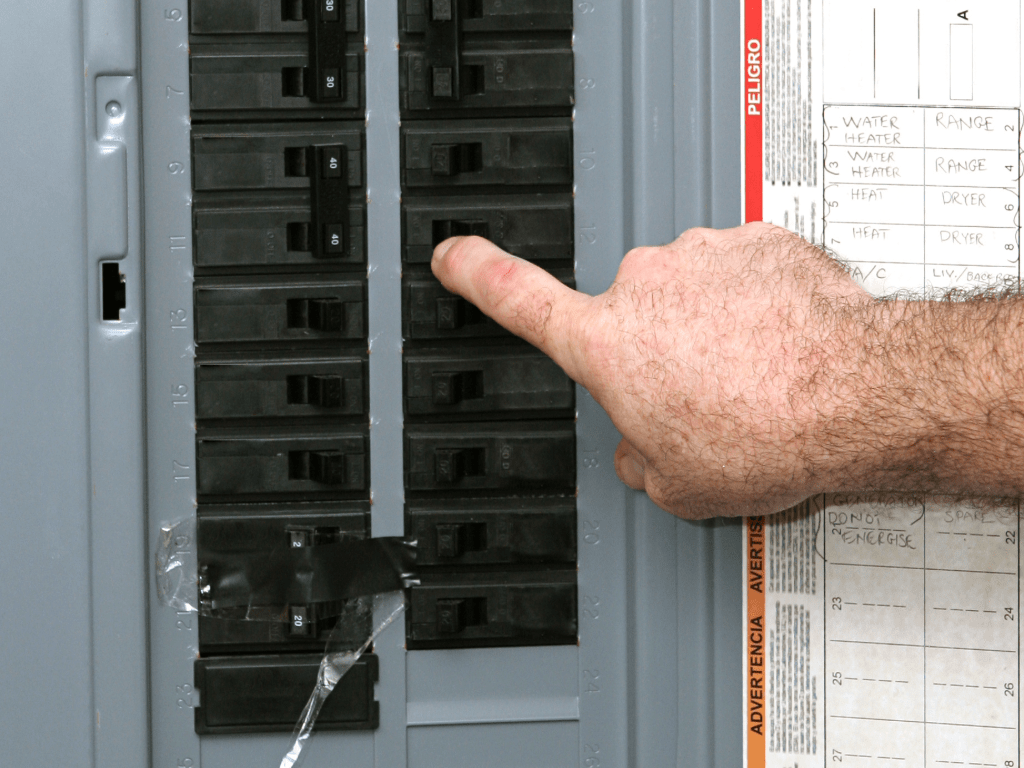
If your panel is full, outdated, or undersized for EV charging, Benchmark can help plan a safer panel replacement path.
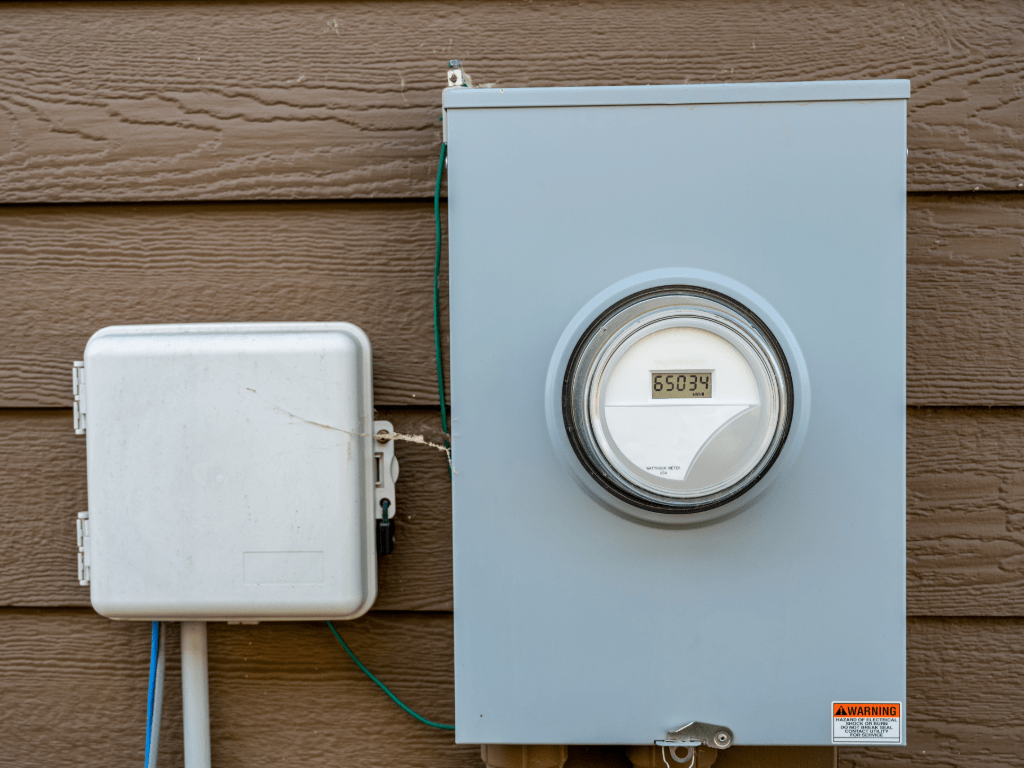
Homes adding EV charging, heat pumps, hot tubs, or other major loads may need service capacity planning before installation.
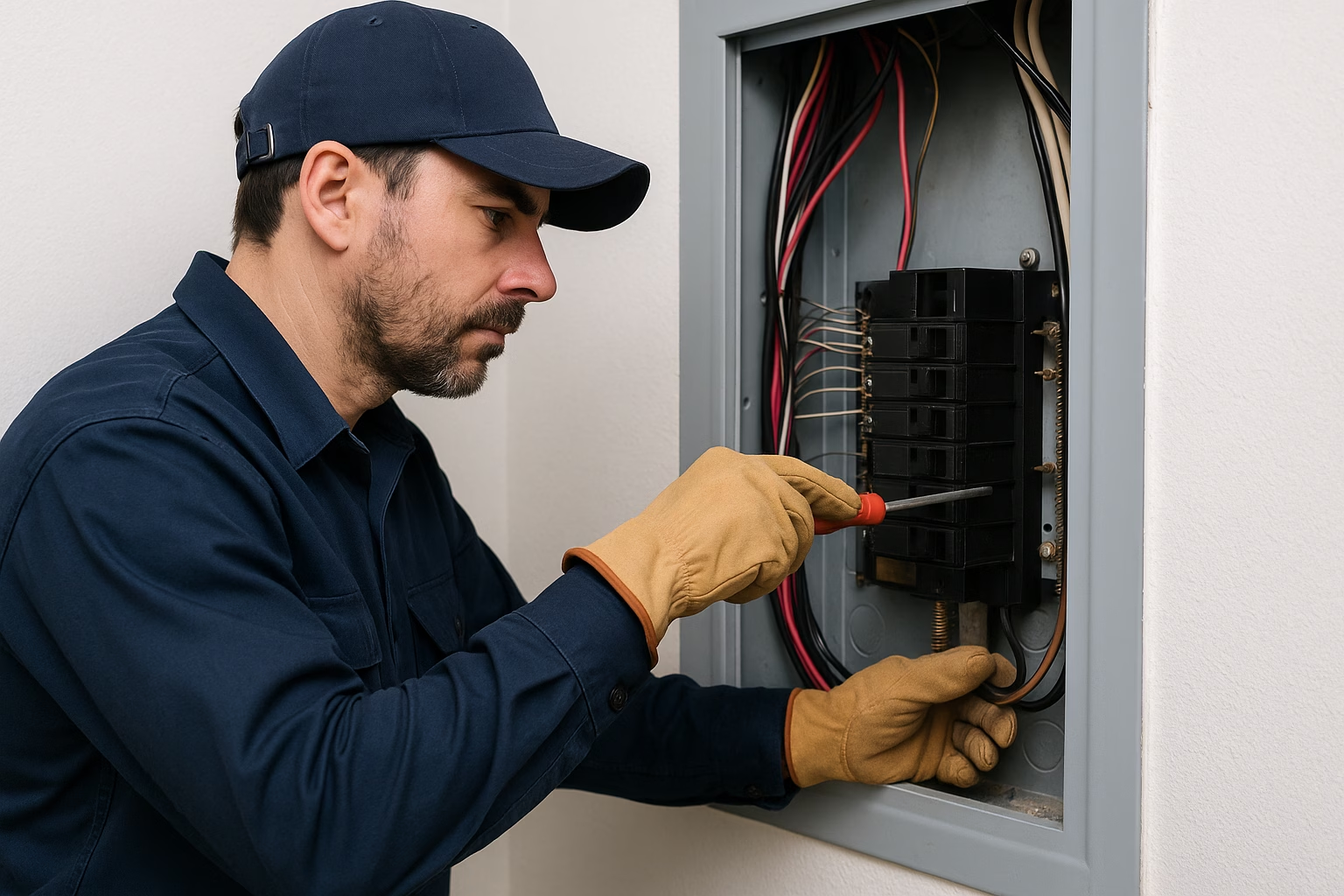
Breaker trips, warm outlets, buzzing panels, flickering lights, or garage power issues should be checked before EV charging use.
Serving Seattle from our nearby Des Moines base
Benchmark Home Services is based in Des Moines and serves Wallbox charger installation customers throughout Seattle and the greater Puget Sound area. Use the map below to view the driving route from our Des Moines base to Seattle.
Dispatch base: 1003 S. 197th St, Des Moines, WA 98148
Service area: Seattle, WA
Typical drive time: about 25 to 45 minutes, depending on traffic, neighborhood, and time of day.
Where we install Wallbox chargers in Seattle
Neighborhoods we serve
- Ballard
- Fremont
- Queen Anne
- Magnolia
- Capitol Hill
- Beacon Hill
- Green Lake
- West Seattle
- Phinney Ridge
- Northgate
- Georgetown
- South Seattle
Common Wallbox charger locations
- Attached garages
- Detached garages
- Driveway parking areas
- Carports
- Exterior wall charger locations
- Alley-access parking areas
- Homes preparing for a new EV purchase
Wallbox charger installation questions Seattle homeowners ask
Can Benchmark install a Wallbox charger in Seattle?
Yes. Benchmark Home Services installs Wallbox home EV chargers, dedicated 240-volt circuits, hardwired charger setups, EV outlet circuits, and panel upgrades for Seattle homeowners.
Does a Wallbox charger need a dedicated circuit?
In most Level 2 home charger installations, yes. A Wallbox charger should be planned on a dedicated 240-volt circuit sized for the charger, breaker, wiring method, and panel capacity.
Should I hardwire my Wallbox charger?
Hardwiring is often the better long-term setup for daily charging and outdoor locations. Plug-in setups can make sense when the charger model supports it and the outlet is installed correctly for EV charging.
Can a Wallbox charger be installed outdoors?
Many Wallbox chargers are designed for indoor and outdoor installation, but the location, conduit, mounting surface, weather exposure, and cable reach should be reviewed before installation.
Can my panel handle a Wallbox charger?
Many panels can support a Wallbox charger, but panel capacity should be checked first. Breaker space, service size, charger output, existing loads, and panel condition all matter.
How much does Wallbox charger installation cost?
Cost depends on panel condition, circuit size, wiring distance, charger location, hardwired or plug-in setup, permit requirements, and whether panel work is needed.
More EV charger planning resources
Seattle EV charger pages
- EV Charger Installation Seattle
- EV Charger Installation Cost Seattle
- Can My Panel Handle an EV Charger?
- Tesla Charger Installation Seattle
- EV Charger Permit Requirements Seattle
- Hardwired EV Charger vs NEMA 14-50 Outlet
- Dedicated 240V EV Charger Circuit Seattle
- Detached Garage EV Charger Installation Seattle
- Best Home EV Chargers for Seattle Homes
Helpful electrical planning resources
Nearby EV charger service areas
Nearby cities
Need Wallbox charger help?
Whether you already bought a Wallbox charger or are still comparing Wallbox, Tesla, ChargePoint, Emporia, hardwired, and plug-in options, Benchmark Home Services can help plan the right installation path.
Ready for Wallbox charger installation in Seattle?
Benchmark Home Services installs Wallbox EV chargers, dedicated 240-volt circuits, hardwired chargers, NEMA 14-50 EV outlet circuits, panel upgrades, outdoor charger wiring, and electric service upgrades in Seattle for homeowners who want safe, reliable charging at home.
Washington Contractors License # BENCHHS818NT
A Des Moines, WA Electrical Company (206) 717-5076
1003 S. 197th St, Des Moines, WA 98148
Related electrical service pages
Local service pages
- EV charger installation in Seattle
- EV charger installation cost in Seattle
- can my electrical panel handle an EV charger in Seattle
- Tesla charger installation in Seattle
- EV charger permit requirements in Seattle
- hardwired EV charger vs NEMA 14-50 outlet in Seattle
- dedicated 240V circuit for EV charger in Seattle
- Level 1 vs Level 2 EV charging in Seattle
- best home EV chargers for Seattle homes
- detached garage EV charger installation in Seattle
- EV charger installation in West Seattle